
Last updated November 15, 2026
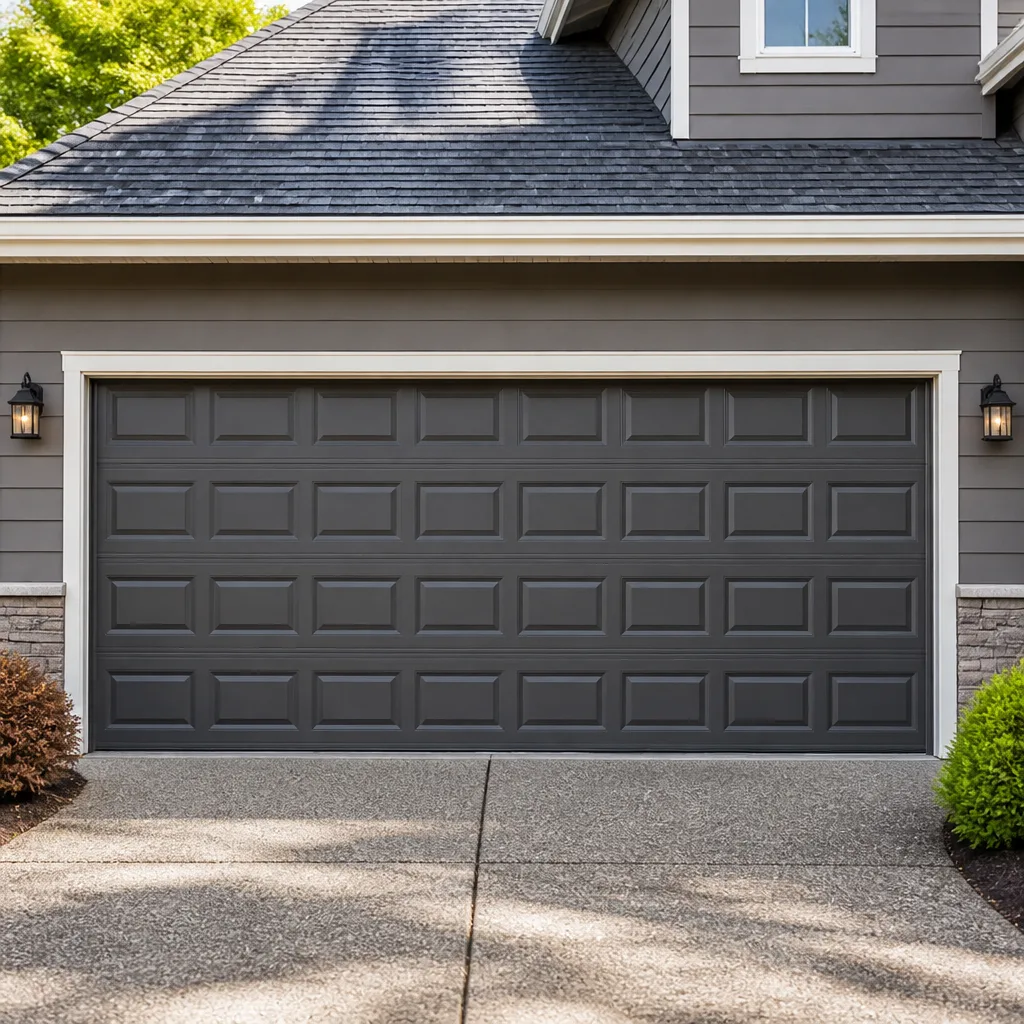 Raised-panel steel
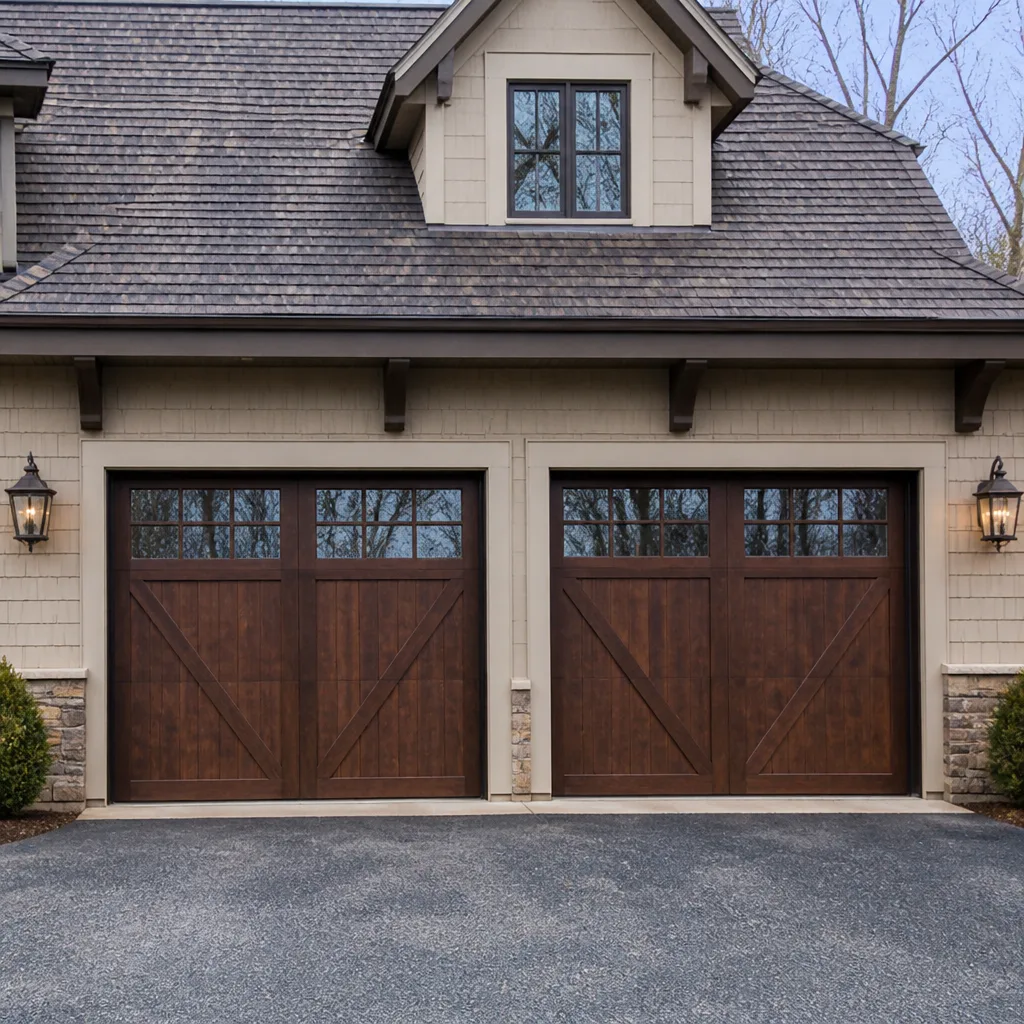 Carriage house
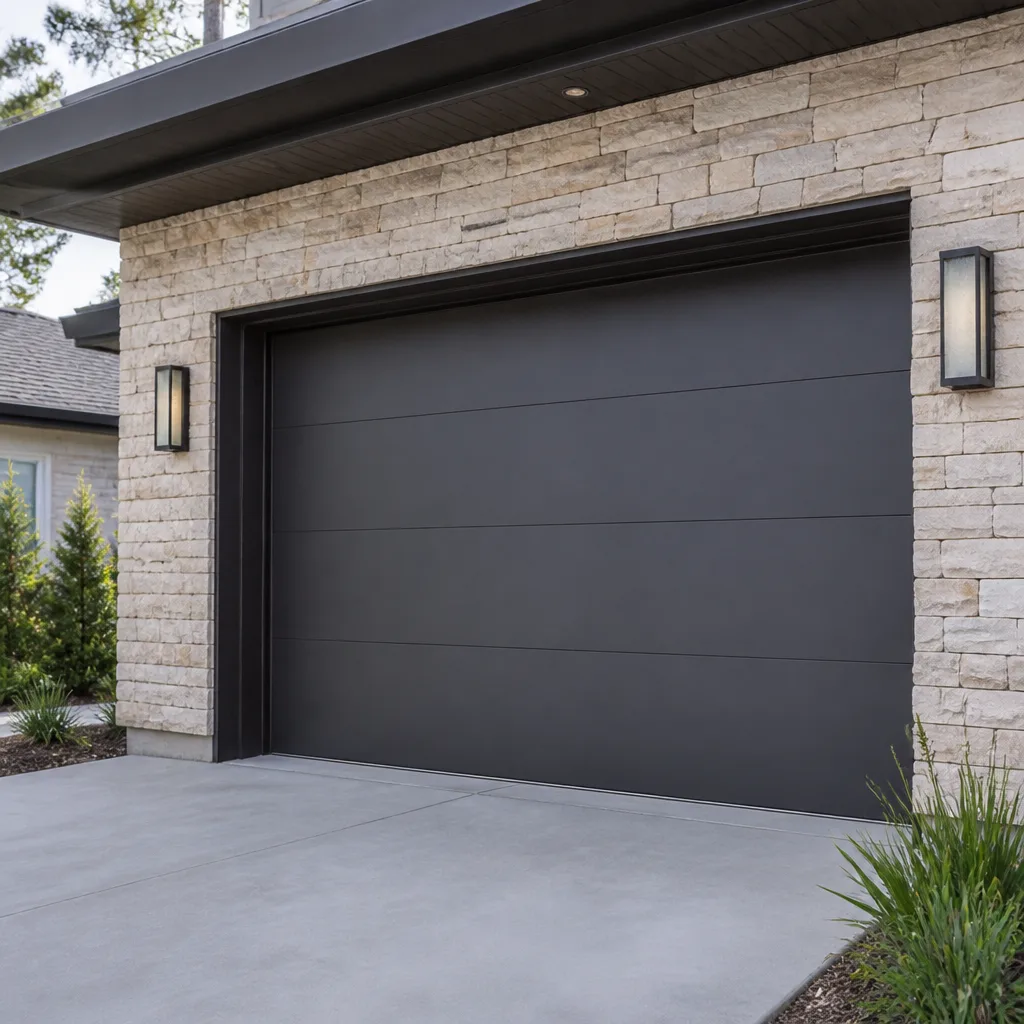 Modern flush
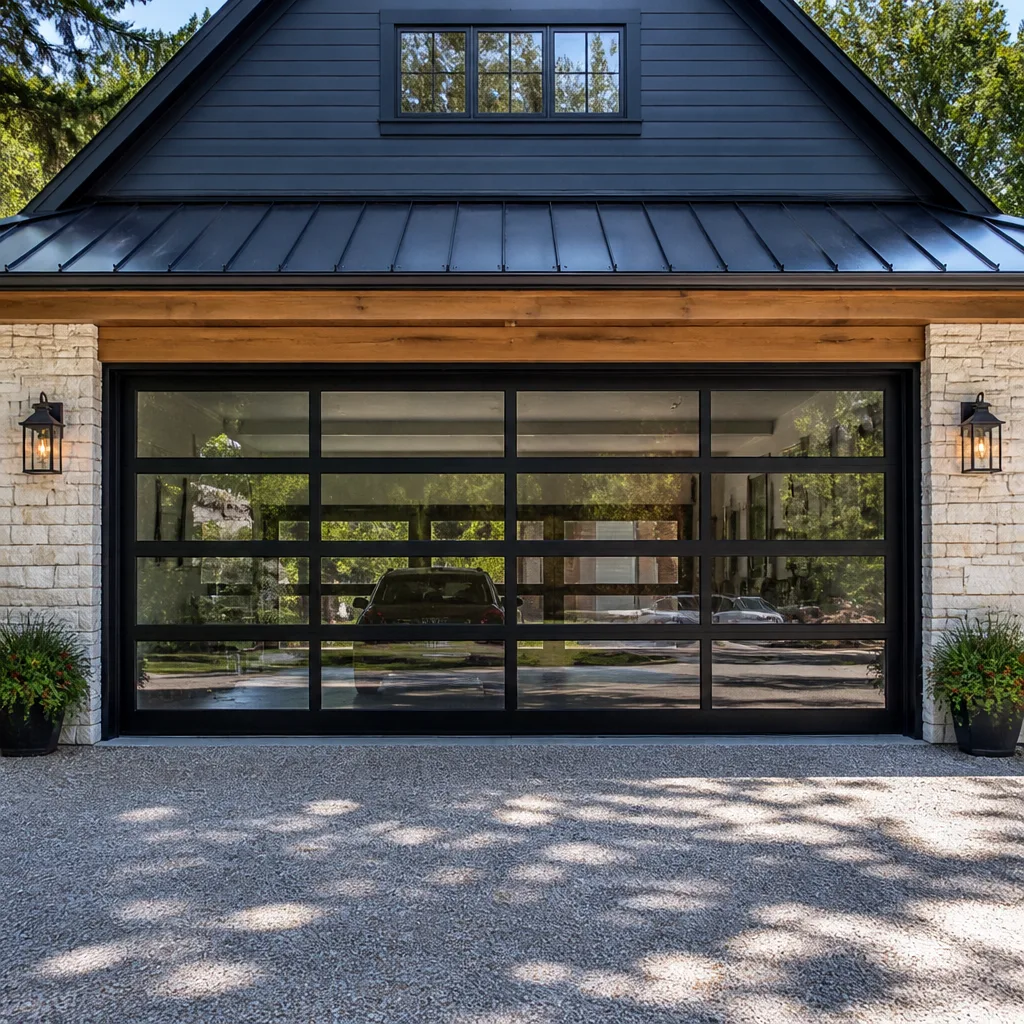 Full-view glass
 LiftMaster openers
 Chamberlain openers
Full 25-point door and opener safety check with every visit - springs, cables, rollers, tracks, and your LiftMaster or Chamberlain opener included
You get a price before we start. It does not change when the pro arrives.
Get your free estimateThe Complete Guide to Garage Doors in New Bedford
Most New Bedford homes were built before the modern garage door industry standardized anything. That single fact explains more about garage door problems here than any product brochure ever will. The wide, shallow lots in the South End, the triple-deckers that stack three families behind one carriage-style opening, the Cape-style homes with detached garages set back off the alley – none of these were designed for the doors most installers carry on the truck today. Add a marine climate that works on metal hardware every month of the year, and you have a city where a generic buying guide will steer you wrong.
This guide covers how garage doors actually behave in New Bedford: which materials survive the local air, what to expect when the rough opening isn’t standard, and how to read a quote so you’re comparing the whole system instead of one panel price. If you need a technician today, call (855) 360-9057. We answer 24/7, with fast dispatch from 7am to 7pm.
Quick Answer
A garage door in New Bedford should be chosen for corrosion resistance, not curb appeal first. Steel with a properly applied factory finish holds up better than most homeowners expect, but the springs, hinges, rollers, and bottom seal need routine inspection because the local climate accelerates wear on the moving metal parts. Before you buy anything, measure your rough opening – pre-1980 homes in this city frequently have non-standard clearances that a big-box door won’t fit.
If something is already broken, the fastest route is to book a technician. Call (855) 360-9057 for a free estimate.
Styles & brands we work with
- Raised-panel steel
- Carriage house
- Modern flush
- Full-view glass
- LiftMaster openers
- Chamberlain openers
Table of Contents
- How New Bedford’s climate affects your door system
- What older New Bedford homes mean for replacement
- Neighborhood notes: South End, North End, and triple-deckers
- The door system vs. piecemeal repairs
- Brands and openers you’ll actually find in New Bedford garages
- How to read a garage door quote
- Springs, cables, and where to stop
- A simple maintenance routine
How New Bedford’s Climate Affects Your Door System
New Bedford sits in a coastal climate zone with humid summers, salt-laden air, and repeated freeze-thaw cycles through winter. That combination is harder on garage door hardware than the temperature swings alone. The moving parts – torsion and extension springs, hinges, rollers, bottom seals – are where the damage shows up first, usually long before the door panel itself has a problem.
What actually fails first in this climate:
- Torsion springs. Spring steel is under constant tension. Humidity and airborne salt promote surface pitting, and a pitted spring cracks sooner than a clean one. A spring that lasts fifteen years inland may go eight or ten here.
- Hinges and rollers. The pivot points between panels take on moisture with every humid stretch. A hinge that seizes adds strain to the opener and the panels above it.
- Bottom seals. Rubber and vinyl weatherstripping hardens with repeated freezing and thawing. A stiff seal stops sealing, which lets water and cold air in under the door.
- Steel panels near the ground. The bottom panel absorbs whatever water sits on the slab. Factory-applied finishes resist this; cheap shop coatings don’t.
Which materials actually hold up? Steel with a good factory finish is the practical workhorse in this climate. Aluminum resists corrosion better than steel but dents more easily, and it’s a reasonable option for detached garages where appearance matters less. Wood doors require refinishing every few years in this humidity; skip them unless you’re prepared for that maintenance. Composite and vinyl skirt options on the bottom section cut down on the specific rust problem at the slab line.
The actionable takeaway is simple: budget for a hardware inspection every year or two rather than a full door replacement. Corrosion attacks springs and hinges, not panels. If you want a specialist to look at the whole system, our Glacier Garage Door Repair team handles doors and openers together so nothing gets missed.
What Older New Bedford Homes Mean for Replacement
Most of New Bedford’s housing stock predates the era when garage door manufacturers settled on standard rough-opening dimensions. This is not a small detail. It’s the single most common reason a door replacement goes sideways for a homeowner who measured at the store instead of measuring the actual opening.
A garage door rough opening has three numbers that matter: the width, the height, and the headroom above the door. Headroom is the one people forget. A low-headroom opening with a foot of clearance above the door needs low-clearance torsion hardware or a different spring setup, not the standard torsion tube a new door ships with. A framer working in 1955 didn’t plan for a 2024 door kit.
What to check before ordering anything:
- Measure the width and height three times each – once at the top, once in the middle, once at the bottom. Older openings are rarely perfectly square.
- Measure headroom from the top of the opening to the ceiling, and note whether there’s a beam or ductwork in the way.
- Check the side clearance on both sides. A torsion system needs space for the end plates.
- Look at how the opening was framed. Sagging headers and rot near the sill need addressing before a door goes on.
- Ask your city’s building department whether a permit is required for your specific replacement. New Bedford, like most Massachusetts cities, has its own rules and timelines. Don’t guess.
When a pre-1980 rough opening doesn’t match a standard door size, the door is ordered to the opening rather than the other way around. That’s not a workaround – it’s the correct approach, and it’s why a free on-site measure matters before you commit to a price. If your door is still functional and you just want a look, our guide to garage door repair walks through the signs that a replacement is worth considering versus a repair.
Neighborhood Notes: South End, North End, and Triple-Deckers
New Bedford has a distinctive mix of housing styles, and each one creates its own garage door issues. A guide that treats every address the same does you no favors.
The South End. Cape-style homes and ranches are common, with attached and detached garages mixed in. Detached garages here often sit at the end of a driveway that runs along the side yard, which means the door faces a different direction than the house front. That exposure matters – a south-facing door takes more UV here than a door tucked behind the house. Steel finishes fade faster on the sunny side, and a door in full sun with no shade benefits from a lighter color and a factory finish that’s warranted against fade.
The North End. Triple-deckers are woven through this part of the city, and so are the tight, narrow driveways that come with them. A tight driveway is a real constraint: a door that bangs into the side jambs on a windy day, or an opener that runs a door with almost no side clearance, works harder than the manual specifies. Some of these garages also sit under living spaces, which reduces headroom and pushes you toward low-clearance hardware.
Triple-decker garages generally. A single carriage-style opening serving an older building often has non-standard framing and worn hardware that’s outlived the door it came with. The bottom seal on these buildings usually takes the most abuse because the driveway slope sends water toward the door. Replacing the seal is a small expense next to replacing the bottom panel because the seal failed first.
If you’re not sure which category your garage falls into, that’s exactly what a free estimate is for. A technician measures the opening, checks the hardware, and quotes the work before anything starts. Call (855) 360-9057 and we’ll book you into the next opening, Sunday through Friday, 7am to 7pm.
The Door System vs. Piecemeal Repairs
The most expensive way to own a garage door is to fix it one part at a time. That sounds counterintuitive when a single hinge or roller costs far less than a full service, but the math works against piecemeal repairs because the door, the opener, and the hardware behave as one system. Treat them as separate parts and you’ll pay for the same underlying problem twice.
Here’s how the parts interact:
- The springs balance the door. If a spring loses tension, the opener lifts a door it wasn’t designed to lift. The opener motor overheats, the gears strip, and the drive mechanism fails. You fix a spring and then discover the opener is also on its way out.
- The opener’s force settings depend on the door running freely. A sticking roller or a bent track makes the door harder to move. Rather than fix the track, a homeowner sometimes cranks up the opener’s force limit – which shortens opener life and makes the safety reverse less reliable.
- Panels and hardware share the load. A door with a cracked panel adds stress to every hinge and roller holding the surrounding panels in line. The panel gets replaced; the hardware that was strained for months gets replaced next.
This is why our approach leads with a full diagnostic of the door and the opener together, then recommends repair when repair will hold and replacement only when repair won’t. When a technician can see the whole system, the recommendation is unbiased – there’s no financial advantage in pushing a new door over a repair or the reverse. One call covers the door and the opener, which means no bouncing between specialists. If you want a second look at a diagnosis you’ve already been given, reach out through our New Bedford page or call the number at the bottom of this guide.
Brands and Openers You’ll Actually Find in New Bedford Garages
Most of the garage doors and openers in this city came from a handful of manufacturers, and a specialist should know them without a manual. Craftsman openers show up in a huge number of attached garages from the 1980s and 1990s. Raynor doors are common on mid-century Cape-style garages. LiftMaster and Chamberlain openers cover a wide range of ages and mounting configurations.
Why brand familiarity matters in practice:
- Parts availability. A Craftsman opener from a certain era uses a specific gear set. Identifying the model correctly means the right part the first time.
- Diagnostic shortcuts. Known failure patterns are known because a technician has worked on that line repeatedly. That’s fewer billable hours chasing a diagnosis.
- Compatibility. A new opener paired with an older Raynor door needs the door’s weight and balance verified before the opener’s force settings are set. Getting compatibility wrong is how a new opener ruins an old door.
- Unbiased recommendations. If the technician only works on one brand, every recommendation sounds the same. If the shop is brand-familiar across several, the recommendation comes from what’s actually in your garage.
The advantage of a specialist who works across brands is that you don’t have to wonder whether the technician actually knows your equipment. If your opener is a LiftMaster or a Chamberlain, a Genie or a Craftsman, it’s equipment the shop sees regularly. If that opener is the part that’s failing, our garage door opener repair team can confirm the fix or the replacement. For a full installation, the brand list still matters: Clopay, Amarr, Wayne Dalton, and Raynor panels each have their own rough-opening and hardware requirements. Call (855) 360-9057 to talk through what you have.
How to Read a Garage Door Quote
The number at the bottom of a garage door quote is mostly meaningless until you know what’s inside it. Two quotes for the “same” door can differ by hundreds of dollars because one covers the door panel only and the other covers the door, hardware, removal, and opener adjustments. To compare apples to apples, break every quote into its parts.
Use this list when you’re comparing:
- Door panels – and how many. A 7-foot door with four sections is not the same as a 7-foot door with five. Count them.
- Hardware package. Tracks, hinges, rollers, springs, cables, and bottom seal should all be listed separately or clearly bundled. Ask what brand and grade each part is.
- Opener. If the quote includes an opener, note the model and the drive type. If it doesn’t, price the opener separately so the comparison is fair.
- Removal and disposal. Some quotes include removing the old door; some don’t. Ask directly.
- Rough-opening adjustments. If the opening is non-standard, framing or trim work may be extra. Get it in writing before work starts.
- Permit. Ask whether your city’s building department requires a permit for the replacement, and whether the cost is included in the quote.
- Warranty. Panel warranty, hardware warranty, and labor warranty can come from different sources. Know which is which.
The one thing every good quote should make clear: the price on the page is the price you pay. A written estimate sets the final number, and no work should begin until you’ve agreed to it. Installation and replacement are measured, ordered, and scheduled – they’re not a same-day rush job. What you get in exchange is a door that fits the first time. Call (855) 360-9057 for a free measure and a written price. We answer 24/7.
Springs, Cables, and Where to Stop
Torsion and extension springs are under heavy load at all times, and the cables that run alongside them are what keeps the door from coming down. Replacing either of these is not a homeowner job, and no guide should describe it as one. A spring that lets go under tension can cause serious injury, and the cables carry enough stored energy to do the same.
What you can safely check yourself:
- The sound. A loud bang from the garage, followed by a door that won’t open, is the classic spring failure. Don’t try to lift the door by hand to check. Call a technician.
- The visual gap. With the door closed, look at the torsion spring above the door. A visible gap in the coil means a broken spring. Don’t touch it.
- The cable. Frayed or slack cables on either side of the door are a sign the door is no longer properly supported. Keep clear of the door and call.
- The safety reverse. This is the one check that’s safe and useful. Put a small object in the door’s path and close it with the wall button. The door should reverse on contact. If it doesn’t, that’s an opener adjustment a technician should handle.
If a door fails, call (855) 360-9057 and we’ll book you into the next opening, Sunday through Friday, 7am to 7pm. We answer 24/7. Someone will be out with fast dispatch from 7am to 7pm, and the price is the written estimate, not a surprise.
A Simple Maintenance Routine
Ten minutes once or twice a year keeps a garage door out of the emergency-call category. The routine is simple and doesn’t require any special tools. Skip the parts you can’t reach safely and let a technician handle those.
- Lubricate the moving parts. Hinges, rollers, and the torsion bar bearing plates get a light coat of garage door lubricant – not WD-40, which is a solvent and attracts dust.
- Check the balance. With the opener disconnected, lift the door halfway by hand and let it go. A balanced door stays put; an unbalanced one drifts down or up. If it drifts, the springs need attention.
- Test the safety reverse. The object-in-the-path test above. Do it every season.
- Look at the weatherstripping. The bottom seal should sit flat on the floor with no gaps. Replace it when it hardens or tears.
- Wash the panels and check the finish. A rinse and a soft cloth remove the dust and grime that hold moisture. Look for rust spots on the bottom panel, especially on the hinge side.
- Inspect the opener’s mounting. The bracket attaching the opener to the ceiling should be solid. A loose bracket means the opener vibrates more than it should.
What you should not do: adjust springs, replace cables, or force a door that won’t move. Those are calls for a technician. For everything else, this routine catches problems while they’re cheap to fix. If you’d rather have a professional do the inspection, that’s what our team is here for.
Common Mistakes to Avoid
- Measuring the door instead of the opening. The number that matters is the rough opening, not the old door panel. A door ordered to the wrong number is a door that has to come back off.
- Buying the cheapest steel panel. In this climate, the difference between a factory finish and a cheap shop coating shows up as rust at the bottom panel within a few years. The cheaper door is not cheaper over time.
- Replacing the opener without checking the door. A new opener bolted to an unbalanced door will fail early. Verify the door first, then the opener.
- Cranking up the opener’s force setting instead of fixing the door. A door that won’t open smoothly has a problem with the door and hardware. The force setting is a symptom, not the fix.
- Ignoring the bottom seal. A hardened seal lets water in and shortens the life of the bottom panel – the most expensive panel to replace.
- Assuming a general handyman can do this work. Garage doors have specific spring systems, opener force calculations, and safety reverse requirements. A specialist handles the whole system correctly.
- Skipping the permit question. Most Massachusetts cities, including New Bedford, have their own rules for garage door replacement. Check with your city’s building department before the work is scheduled.
See the difference
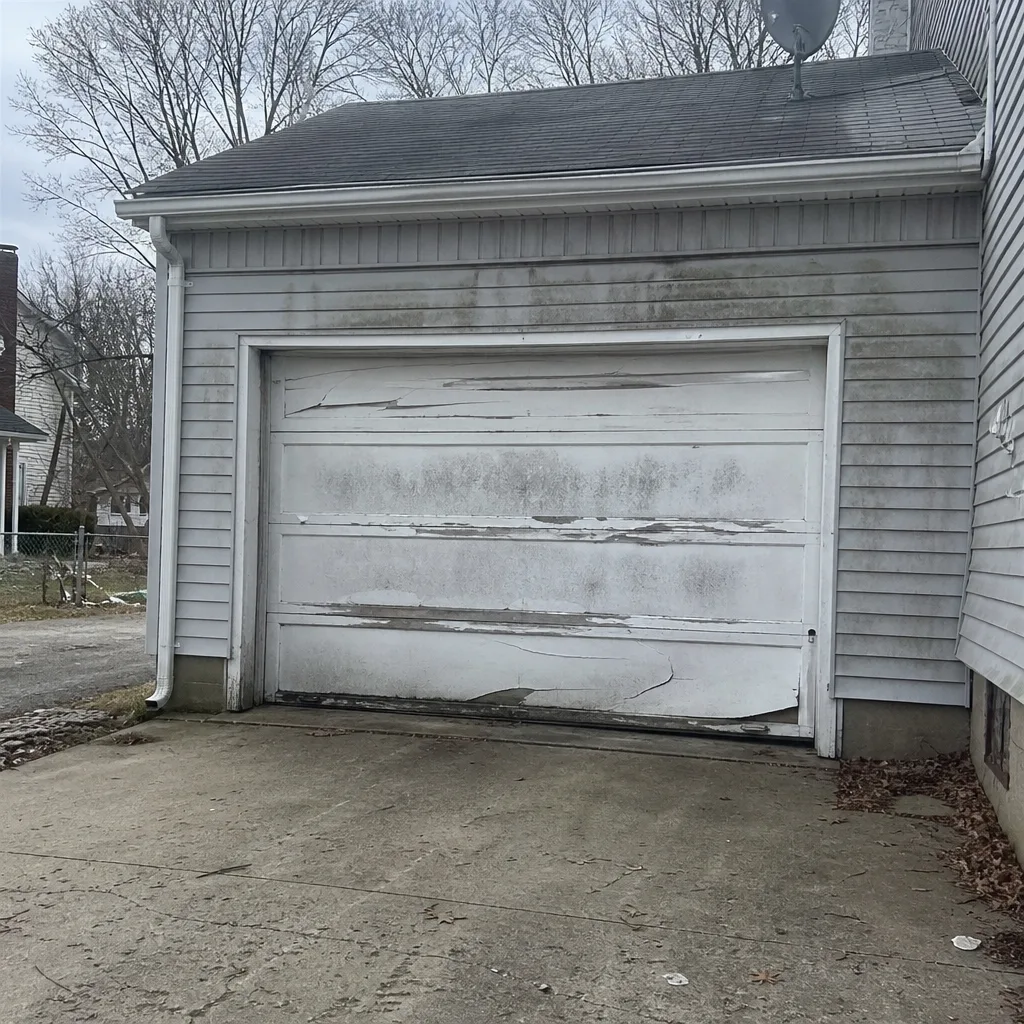 Before
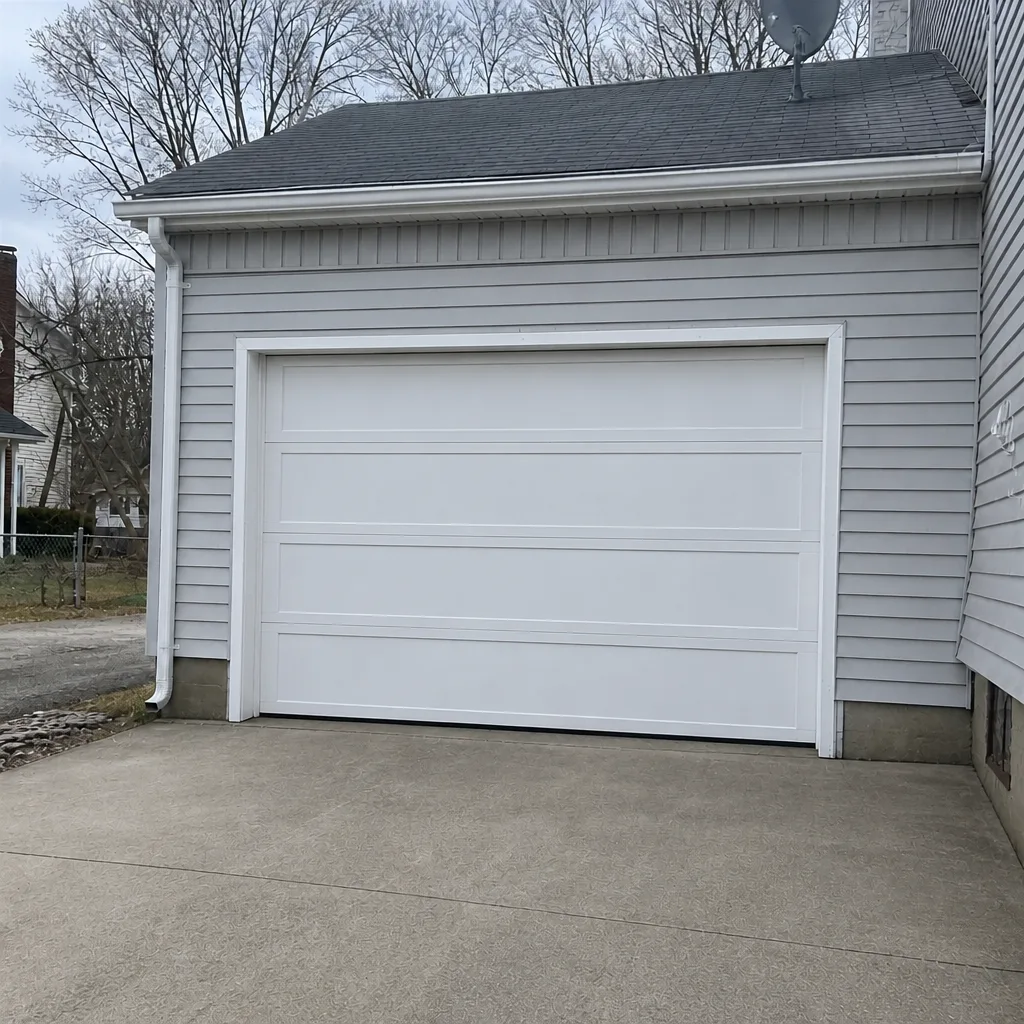 After
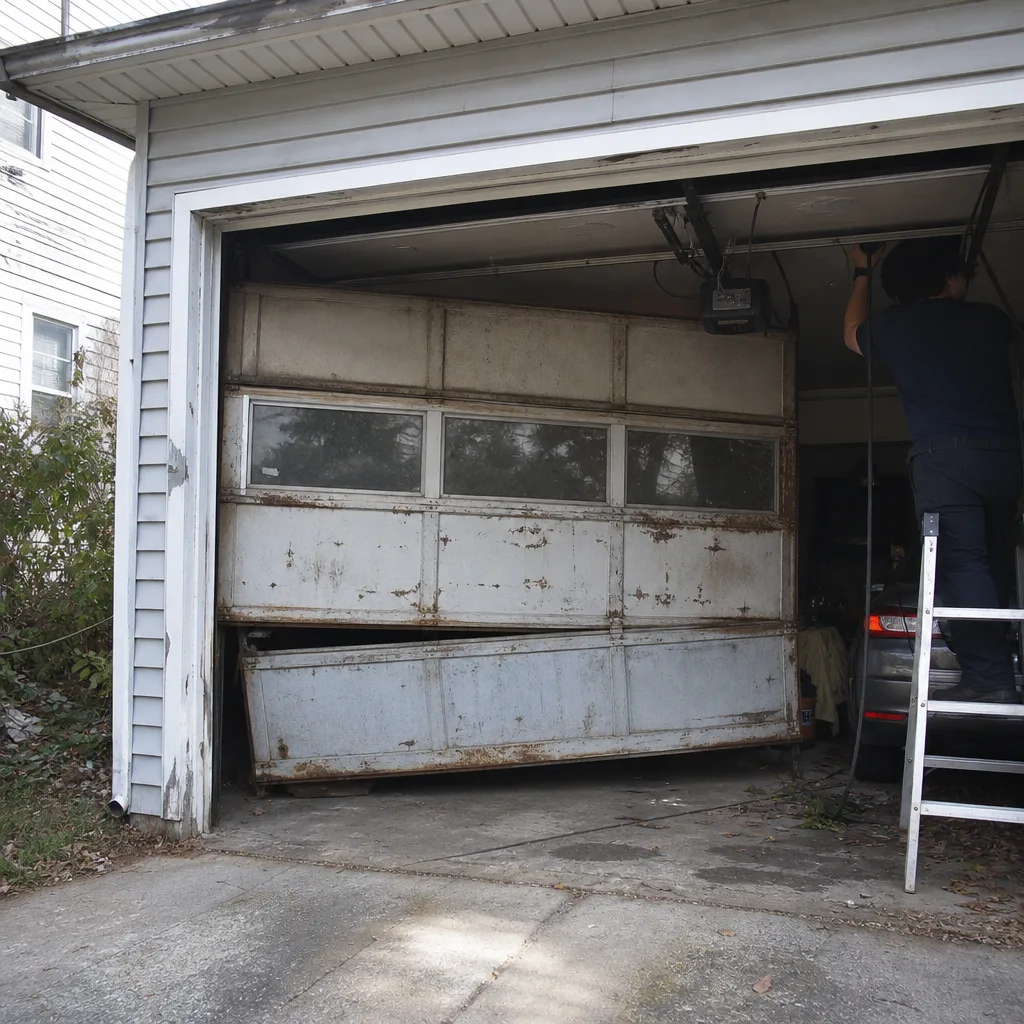 Before
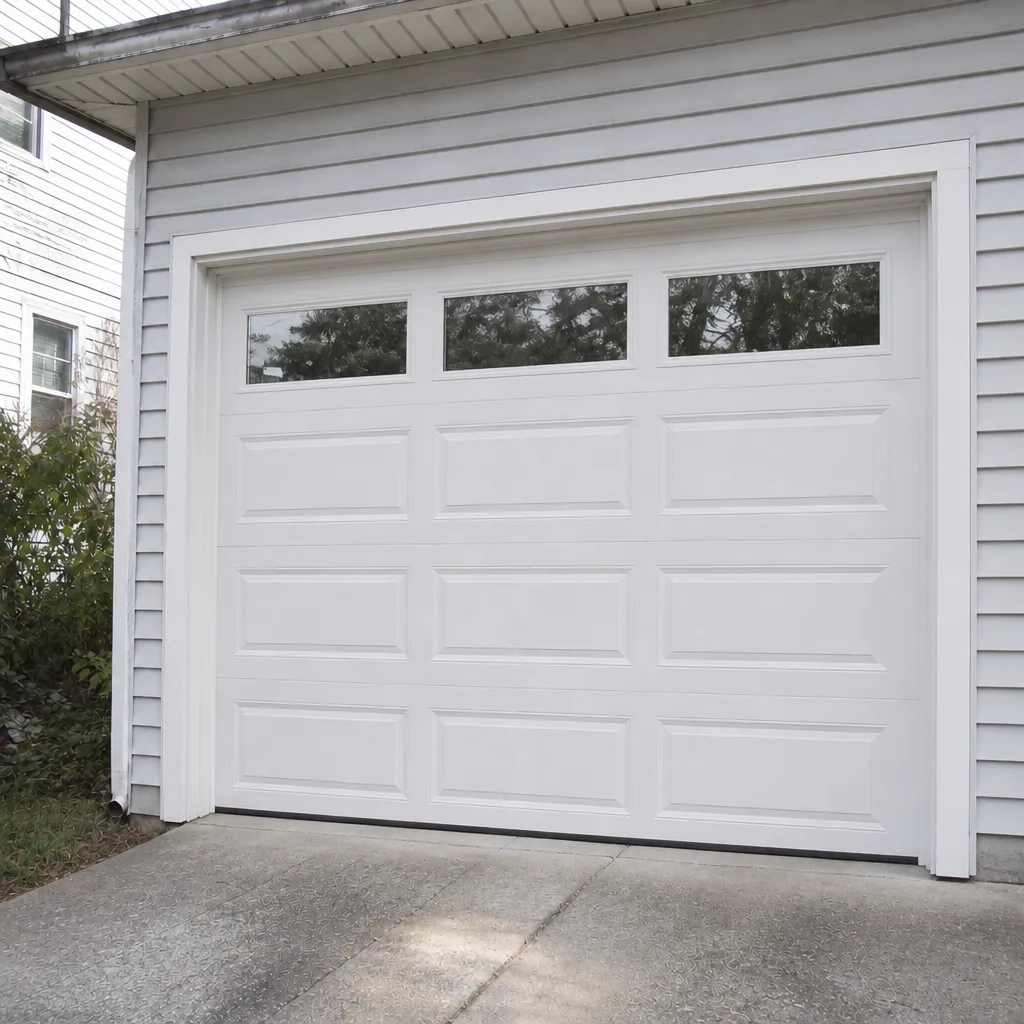 After
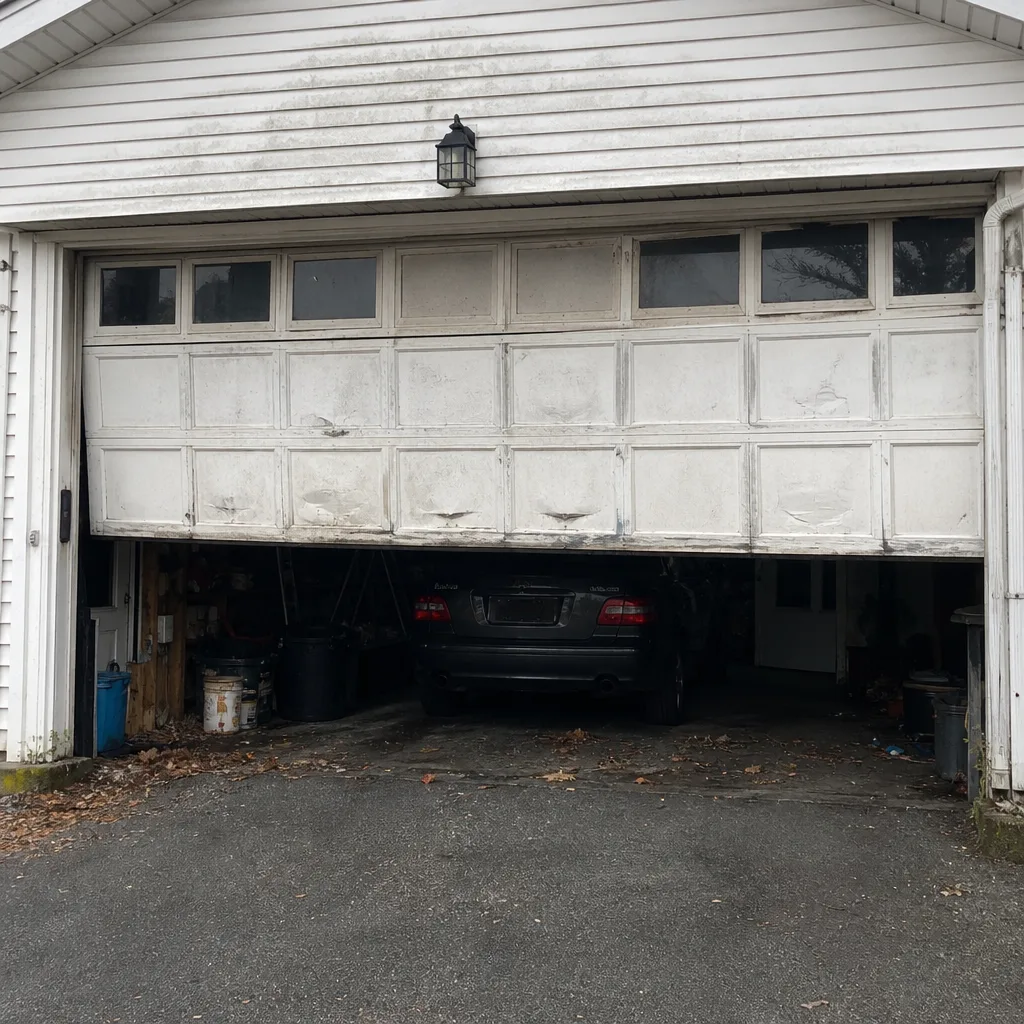 Before
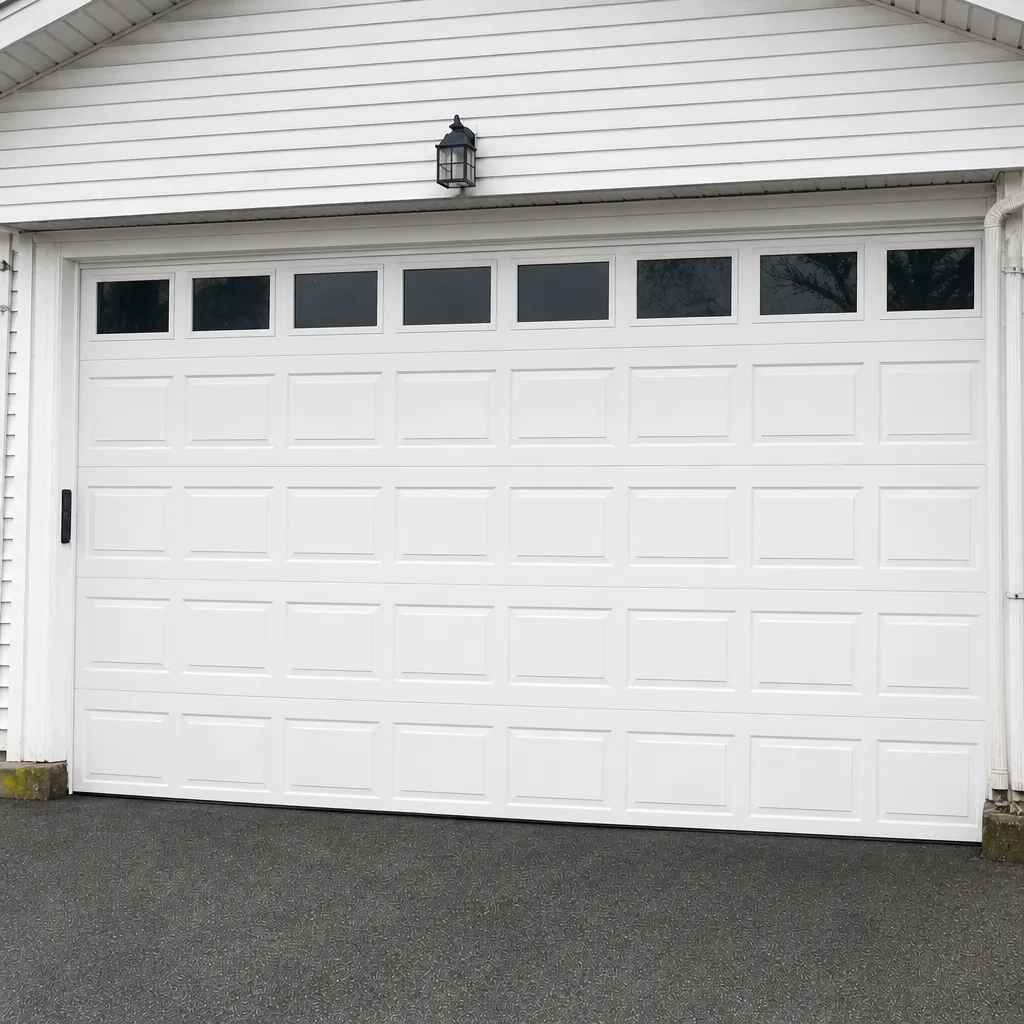 After
When to Call a Professional
A professional call makes sense when the problem touches springs, cables, or the opener’s internal mechanisms, and it makes sense any time the door operates with a sound or movement that’s new. A door that grinds, jerks, or drifts unevenly is telling you something is wearing faster than it should. A broken spring, a slack cable, or a door that’s come off its track are all reasons to stop using it and call. Inspection and diagnosis are also worth a professional visit if you’re comparing repair versus replacement – the recommendation is better when it comes from someone who works on both sides of that decision.
Glacier Garage Door Repair offers free estimates in New Bedford – call (855) 360-9057. We work on the brand already in your garage, and we’ll quote the work in writing before anything starts. We answer 24/7, with fast dispatch from 7am to 7pm, Sunday through Friday.
Frequently Asked Questions
A door that’s hard to lift by hand with the opener disconnected has a door or hardware problem, not an opener problem. Disconnect the opener and try to move the door. If it’s stiff, sticks, or drifts, the door and hardware need attention and the opener is likely fine. If the door moves smoothly by hand, the problem is usually the opener’s motor, gears, or logic board. A technician can confirm which in minutes with a load test and a visual inspection of both. Call (855) 360-9057 for a free estimate.
Springs in New Bedford usually outlive springs in harsher inland climates where extreme cold-weather cycling is more frequent, but not by much. The bigger wear factor here is humidity and airborne salt, which pitting the spring steel from the outside. Ten to fifteen years is a typical range, though a heavily used door or one with a mismatched spring pair may go shorter. Annual lubrication and a balance check extend the life. If you hear a bang and the door won’t open, stop using it and call.
Same-day repair is often possible for common failures like broken springs, opener issues, and track problems. Call (855) 360-9057 and we’ll book you into the next opening, Sunday through Friday, 7am to 7pm. We answer 24/7. Fast dispatch from 7am to 7pm. Installation and full replacement are different – those are measured, ordered, and scheduled rather than rushed.
Not beyond what the written estimate says. A technician measures the opening, checks the hardware, and quotes the work before anything starts. If the diagnosis reveals something the estimate didn’t anticipate, you get a new written estimate to approve before work continues. The price you agree to is the price you pay. Estimates are free.
The garage door professionals we connect you with are licensed and insured, and you can ask to see that confirmed in writing before work starts. For any specific licensing question on your property or permit, your city’s building department is the right source. If you want documentation before the visit, call (855) 360-9057 and we’ll make sure it’s available.
The honest answer depends on the opener’s age and condition. If the opener is more than a decade old and the door is being replaced, a matched opener makes sense – the force settings and safety reverse are calibrated to the new door. If the opener is newer and running correctly, the door can be replaced on its own. A technician works both sides of this decision and can tell you which option holds up. Call (855) 360-9057 for a free estimate.
The Bottom Line
Garage doors in New Bedford need to handle what the city throws at them: humidity that accelerates hardware corrosion, freeze-thaw cycles that wear at seals, and a housing stock full of rough openings that don’t match modern doors. The practical playbook is simple. Measure the opening before you buy. Treat the door and opener as one system. Inspect the moving parts a couple times a year. And when a spring or a cable or a track gives you trouble, stop using the door and call a specialist. Repair when repair holds; replace when it doesn’t. Read the quote, compare the full system, and confirm the price in writing before work starts.
Call (855) 360-9057 for a free estimate. We answer 24/7. Fast dispatch from 7am to 7pm, Sunday through Friday.
Written by the team at Glacier Garage Door Repair.