
Last updated November 15, 2026
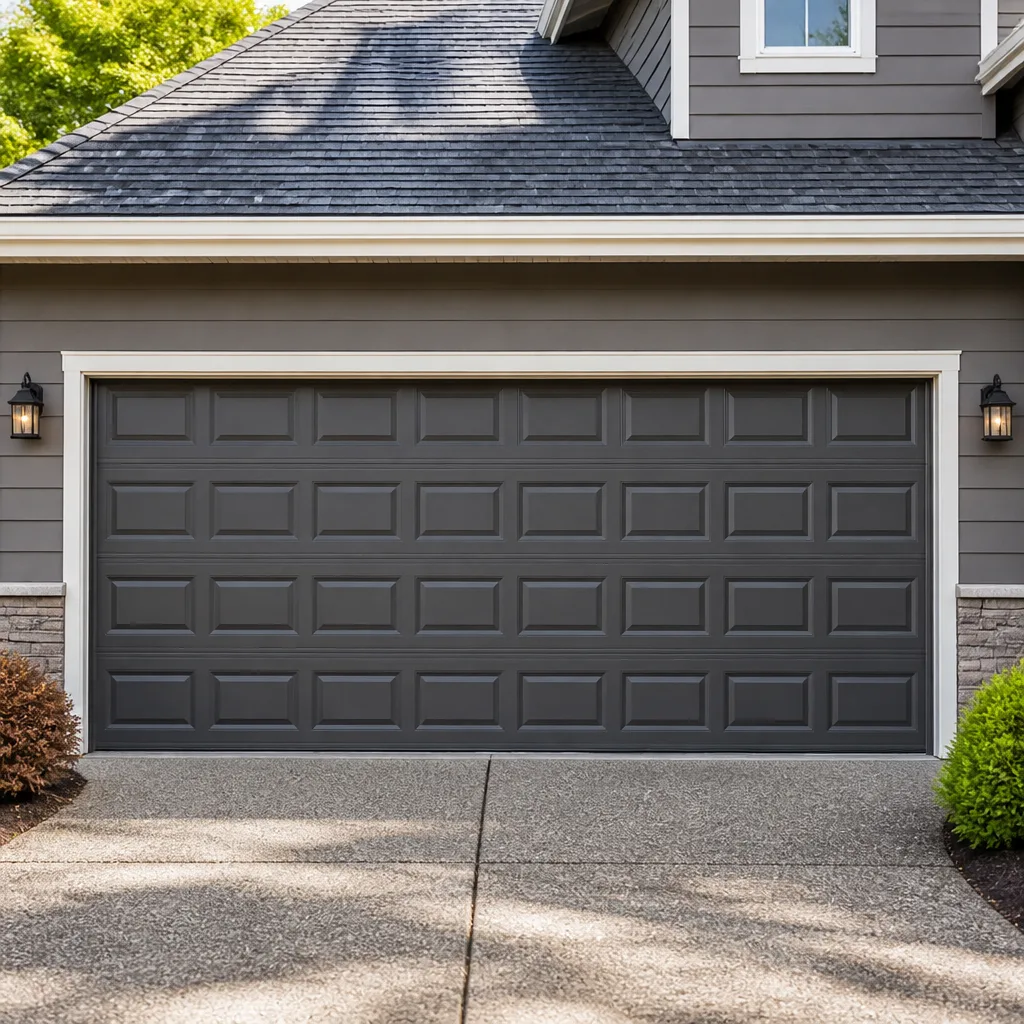 Raised-panel steel
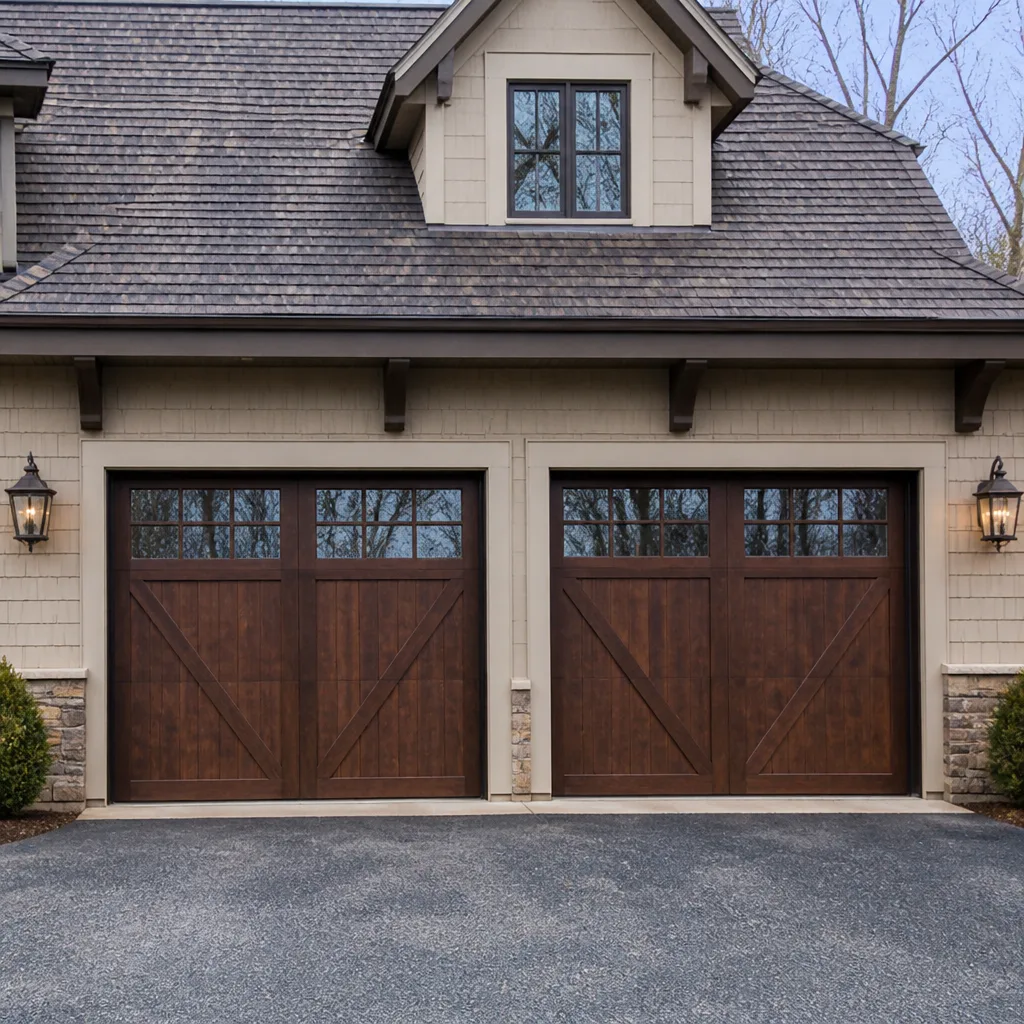 Carriage house
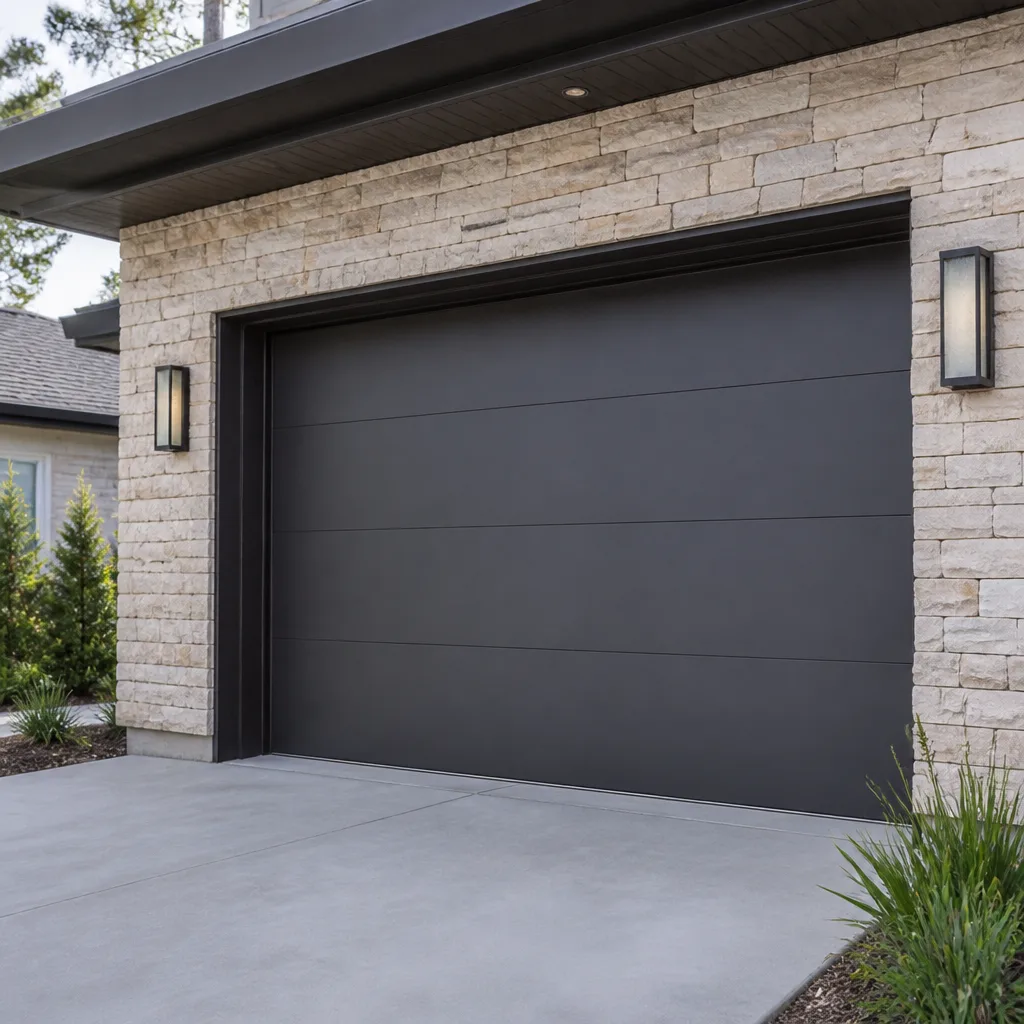 Modern flush
 Full-view glass
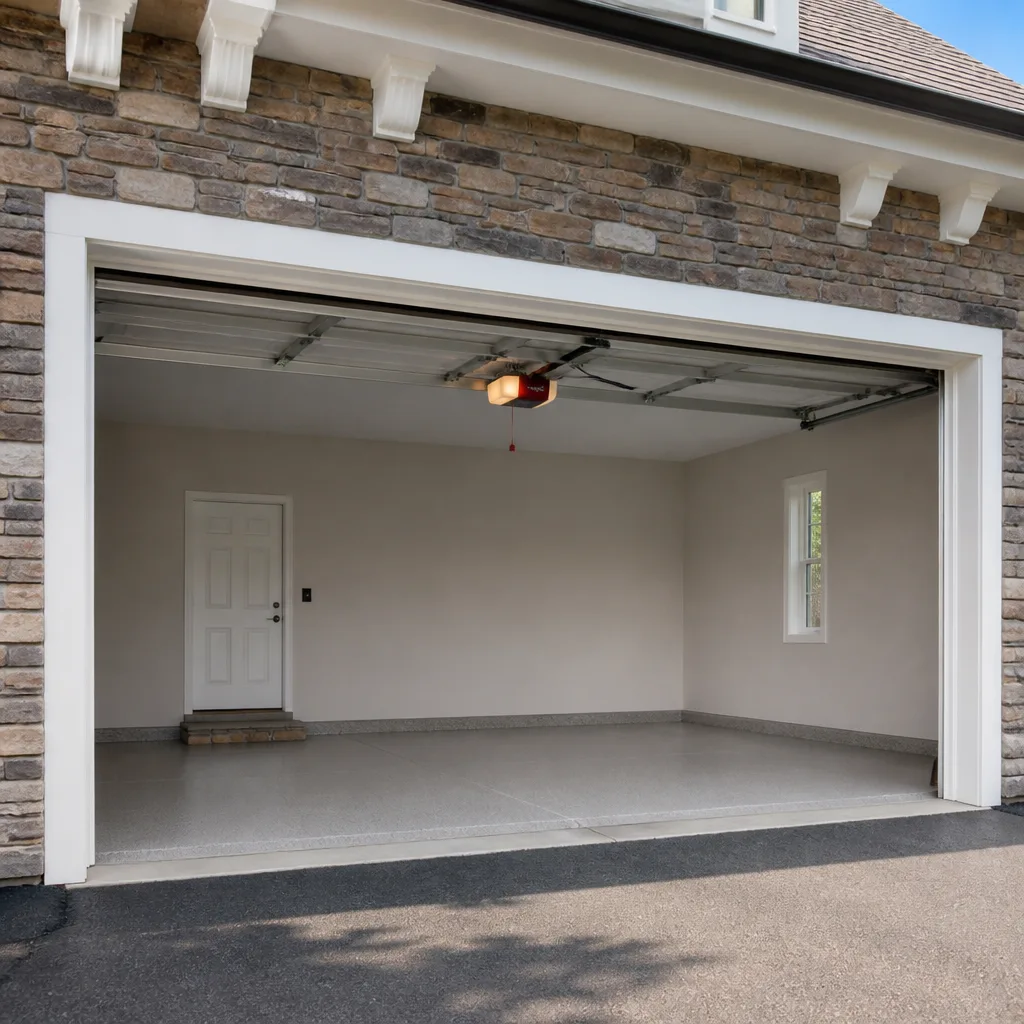 LiftMaster openers
 Chamberlain openers
Full 25-point door and opener safety check with every visit - springs, cables, rollers, tracks, and your LiftMaster or Chamberlain opener included
You get a price before we start. It does not change when the pro arrives.
Get your free estimateDIY vs Professional Garage Door: The New Bedford Homeowner’s Decision Guide
Most homeowners weigh this decision on skill. “Am I handy enough to do this myself?” That’s the wrong question. The right one is what happens when a part fails while your hands are on it. Torsion springs store enough energy to cause serious injury in less than a second, not because people are careless, but because a failed release doesn’t give you time to react. Some garage door tasks are genuinely safe for a careful homeowner with a Saturday morning to spare. Others carry a risk profile that changes the math entirely. This guide sorts the jobs into those two piles, explains what DIY mistakes actually cost in Massachusetts, and shows you the middle path. It’s written for New Bedford homeowners who’d rather make one honest decision than guess.
Quick Answer
You can safely handle weatherstripping, lubrication, sensor alignment, track cleaning, and visual inspections yourself. You should not touch torsion springs, extension springs, or cables; those carry genuine injury potential and belong with a trained technician. Anything involving the opener’s internal mechanics or force settings is best left to a professional too. In short: the outside upkeep is yours, the energy-storing hardware is theirs. When a repair involves the mechanical core, a free estimate at (855) 360-9057 tells you what you’re dealing with before you decide.
Styles & brands we work with
- Raised-panel steel
- Carriage house
- Modern flush
- Full-view glass
- LiftMaster openers
- Chamberlain openers
Table of Contents
- Why the Garage Door Decision Is Different From Other Home Repairs
- What’s Genuinely DIY-Safe on a Garage Door
- What Requires a Professional: Springs, Cables, and Structural Tracks
- The Hidden Cost of Common DIY Mistakes
- Massachusetts Warranty and Insurance Considerations
- The Tools and Knowledge Gaps That Change the Math
- The Practical Middle Path: Prep and Post-Care
- How New Bedford Weather Affects Garage Door Wear
Why the Garage Door Decision Is Different From Other Home Repairs
Most home repair advice treats “DIY” as a simple yes-or-no about difficulty. Garage doors don’t work that way. A garage door is one of the few systems in your house that stores mechanical energy. A torsion spring under tension is holding enough force to lift a door that weighs a few hundred pounds. That stored energy is what makes the door feel light when you pull it manually. It’s also what makes spring and cable work fundamentally different from swapping a light fixture or patching drywall.
The other thing that separates garage doors: they’re a system, not a part. The door panels, the hardware, the springs and cables, the opener and its drive mechanism all have to work together. Change one element without understanding the others and you can introduce a problem you didn’t have before. A door that lifted smoothly can start binding because a track got bumped. An opener that ran quietly can strain because the door’s balance is off. We see this constantly on calls around New Bedford, where a homeowner fixed one thing and accidentally unsettled another.
So the decision isn’t really “can I do this?” It’s “which specific tasks have an acceptable risk profile for me, and which ones don’t?” That’s the framework we’ll use for the rest of this guide.
What’s Genuinely DIY-Safe on a Garage Door
Plenty of garage door maintenance is well within reach of a careful homeowner with basic tools. These jobs improve performance, catch small problems early, and won’t put you near stored energy or moving cables.
- Weatherstripping along the sides and bottom: Replacing the rubber seals that press against the opening is straightforward. You’re working at floor level with no tension involved. A worn bottom seal is one of the most common reasons a New Bedford garage lets in drafts and moisture.
- Lubrication: A garage door has hinges, rollers, and pivot points that benefit from periodic lubricant made for the purpose. This is quiet, low-risk work that keeps the door moving smoothly and reduces strain on the opener.
- Safety sensor alignment: If the door reverses or won’t close, the photo-eye sensors near the floor are often knocked out of line or blocked. Cleaning the lenses and making sure they face each other is a safe first check and solves more mystery problems than any other single task.
- Track cleaning and visual inspection: Wiping down the tracks and looking for dents, debris, or loose mounting bolts doesn’t require touching the tension system. Noticing a problem early is half the battle.
- Panel cleaning and light touch-up: Washing panels and touching up scuffs keeps the door looking sharp and lets you spot cracks or dents while you’re at it.
Notice what these tasks have in common: none of them involve a wound spring or a moving cable. That’s the dividing line. If you stay on the safe side of it, you’re doing real good for your door.
What Requires a Professional: Springs, Cables, and Structural Tracks
Here’s where we get direct. Torsion springs, extension springs, cables, and structural track work should be handled by a trained technician. This isn’t about protecting our trade. It’s about the physics. A torsion spring holds tension that’s released all at once when it fails. Cables are under load whenever the door is up. Either one can cause serious injury in the time it takes to blink.
The tasks that belong with a professional:
- Torsion and extension spring replacement. Springs are matched to the door’s weight and height. Getting the size wrong is a common and costly DIY error. The winding and release process itself is where the danger lives.
- Cable replacement and rewinding. Cables work in tension alongside the springs. A cable that slips or snaps under load can whip with force. This is not a job for a homeowner with a wrench and a video tutorial.
- Track straightening and replacement. Tracks are structural. Bending a track back into shape can compromise the door’s travel and create new problems. A professional checks the whole alignment, not just the bent spot.
- Opener internal repair and force-setting adjustments. Inside the opener housing are gears, a drive mechanism, and safety settings. Setting the force too high, a common DIY shortcut when the door runs rough, defeats a safety feature that’s there to protect people and property.
- Panel replacement and structural repairs. Replacing a damaged section requires matching the door’s balance and travel. If you’re in New Bedford and your door needs this kind of work, our garage door repair team handles the full system, door and opener together.
If any of this is where your problem sits, the honest answer is to stop and call. Fast dispatch from 7am to 7pm, Sunday through Friday, means you’re not stuck waiting to find out whether the job is bigger than it looks.
The Hidden Cost of Common DIY Mistakes
The trouble with a DIY mistake on a garage door is that it doesn’t always announce itself. Here are the ones we see most, and what they actually cost you downstream.
- Wrong spring size. Springs are matched to door weight and height. Install one that’s too weak or too strong and the door won’t balance. The opener then works harder than it should, which shortens its life. You’ve traded a spring repair for an opener repair.
- Improper cable winding. A cable wound wrong can slip, bind, or come off its drum. The door may work once or twice and then jam. Catching it early means a repair; ignoring it can mean a door stuck open or a snapped cable.
- Opener force setting pushed too high. When a door runs rough, the tempting fix is to turn up the opener’s force so it pushes through the resistance. That masks the real problem (usually balance or a worn roller) and removes a safety feature. The door can then close on obstacles it should reverse for.
- Springs swapped without a balance check. A new spring that’s the wrong size or tension leaves the door heavy or light. You won’t know until the opener starts straining or the door won’t stay open.
- Tracks bent back into place by feel. Tracks need to be straight and square. A track bent back by hand often looks fine but sends the door off its path, wearing rollers and straining the opener.
None of these mistakes is a moral failing. They’re the natural result of doing a specialized job without the right knowledge or tools. The point is that “saving money” on a DIY repair can quietly cost you more in the next repair.
Massachusetts Warranty and Insurance Considerations
There’s a practical layer to this debate that doesn’t get enough attention: paperwork. When you or a contractor installs or repairs part of your garage door, who stands behind that work matters if something goes wrong later.
Most manufacturers’ warranties on doors and openers include terms about proper installation and service. A homeowner-installed component that fails may fall outside those terms, and a warranty claim can be denied if the failure traces back to improper installation. If you’re weighing a DIY repair on a door that’s still under warranty, check the terms first. The same goes for any work that touches the opener’s internal mechanics or the spring system.
On the insurance side, the picture varies by policy, but the general principle is worth knowing: when a homeowner-performed repair leads to damage, a claim can be complicated by questions about who did the work and how. We can’t tell you how your specific policy reads, and we won’t pretend to. What we can say is that work done by a trained, insured technician comes with a paper trail. If a repair is significant, a call to your insurer before you start is a sensible step. For the repair side of things, our New Bedford service page covers what we handle and how estimates work.
The Tools and Knowledge Gaps That Change the Math
People often assume garage door repair is about having the right tools. Tools matter, but the knowledge gap matters more. A torsion spring job isn’t hard because it needs a special wrench. It’s hard because the winding process requires knowing how many turns a given spring needs for a given door, and because a mistake during that process is dangerous, not just inconvenient.
Here’s the gap, laid out plainly:
- Spring sizing knowledge. Springs are selected by door weight and height, and the wire gauge, inside diameter, and length all factor in. A technician reads the door and the old spring and knows what to install. A homeowner usually guesses.
- Winding bars and safe release. The tools for spring work are specialized, and using them correctly is a skill built over many jobs. Our technicians have up to 13 years of experience with this equipment.
- Cable tension and drum seating. Cables need to sit correctly on their drums and hold proper tension. Getting that wrong isn’t just a performance issue; it’s a safety one.
- Opener force and travel settings. Modern openers, including LiftMaster and Chamberlain units, have force and travel limits that need to be set correctly after any repair. Setting them by trial and error is common and risky.
- Balance testing. A properly balanced door stays put at any point in its travel and lifts with modest effort. Knowing how to test for balance and what the result means is a technician’s routine and a homeowner’s blind spot.
You can close some of these gaps with research. You can’t close the risk gap on spring and cable work. That’s the honest dividing line.
The Practical Middle Path: Prep and Post-Care
You don’t have to choose between full DIY and full hands-off. The middle path is to do the safe work yourself and let a specialist handle the mechanical core. Here’s how that plays out in practice.
- Do your own inspection first. Before you call, note what the door does. Does it reverse for no reason? Does it run rough in one spot? Does it stay open when you lift it halfway? These observations help a technician diagnose faster and give you a more accurate estimate.
- Handle the safe upkeep yourself. Keep the weatherstripping in good shape, lubricate the moving parts, clean the tracks, and keep the sensors clear. This routine care is the best defense against premature wear.
- Clear the work area. If you’re having a technician out, clear the garage floor near the door. It’s a small thing that speeds up the visit.
- Get a written estimate before work starts. The price is quoted and agreed before any work begins. If a door needs a spring, our garage door opener repair and door repair teams treat it as one system, so you get one diagnosis instead of two.
- Know your brands. If your door or opener is from Clopay, Amarr, Genie, or Chamberlain, a specialist who works on those brands regularly will recognize the parts and the quirks. We’re factory-familiar with eight major brands, so we work on what’s already in your garage.
- Do the post-care. After a repair, keep lubricating the moving parts and check the sensors periodically. Small habits add years.
How New Bedford Weather Affects Garage Door Wear
New Bedford’s climate works on a garage door in specific ways. Winters bring freezing temperatures and snow, and the freeze-thaw cycle is hard on weatherstripping and on the metal parts at the base of the door. Moisture that seeps under a worn seal can rust the bottom panel and freeze the rollers. Spring and fall bring rain and temperature swings. Summer humidity can make a door feel heavier as the wood or insulation takes on moisture.
That cycle of expansion and contraction loosens bolts and settles tracks over time. It’s also why maintenance matters more in New Bedford than in a place with a steadier climate. A door that’s fine in June can start binding in January. Keeping the seals tight and the moving parts lubricated is the single best thing you can do as a homeowner to protect your door through a New Bedford winter.
We see plenty of doors in this city where the wear traces back to a missed seal or a skipped season of lubrication. The good news is that this kind of wear is predictable, and predictable wear is easy to stay ahead of. If the door in your garage came from a brand like Amarr or Clopay, parts are available and repair is often the better call than replacement. Reach out through Glacier Garage Door Repair and we’ll take a look at the whole system.
Common Mistakes to Avoid
- Treating a spring like any other worn part. The instinct to “just swap it” ignores the stored energy involved. A torsion spring is not a sagging hinge, and the risk profile is completely different.
- Setting the opener’s force too high to mask a rough door. When the door runs rough, the fix is usually balance or a worn roller, not more force. Raising the limit defeats a safety feature.
- Buying a spring off the shelf without matching it to the door. Springs are matched to weight and height. One that’s the wrong size leaves the door unbalanced and strains the opener.
- Ignoring sensor problems because the door “mostly” works. A misaligned or dirty photo-eye is a safety problem, not a nuisance. Cleaning the lenses and checking alignment is a quick, safe first step.
- Letting weatherstripping go through a New Bedford winter. A worn bottom seal lets in moisture that rusts the bottom panel and freezes the rollers. Replacing it is one of the safest and most effective DIY jobs on the list.
- Bending a track back by hand. A track that looks straight but isn’t sent the door off its path and wears the rollers. Structural track work is a professional’s job.
- Skipping the balance check after any repair. A door should stay put at any point in its travel. If it doesn’t, something is off, and it’s worth a call.
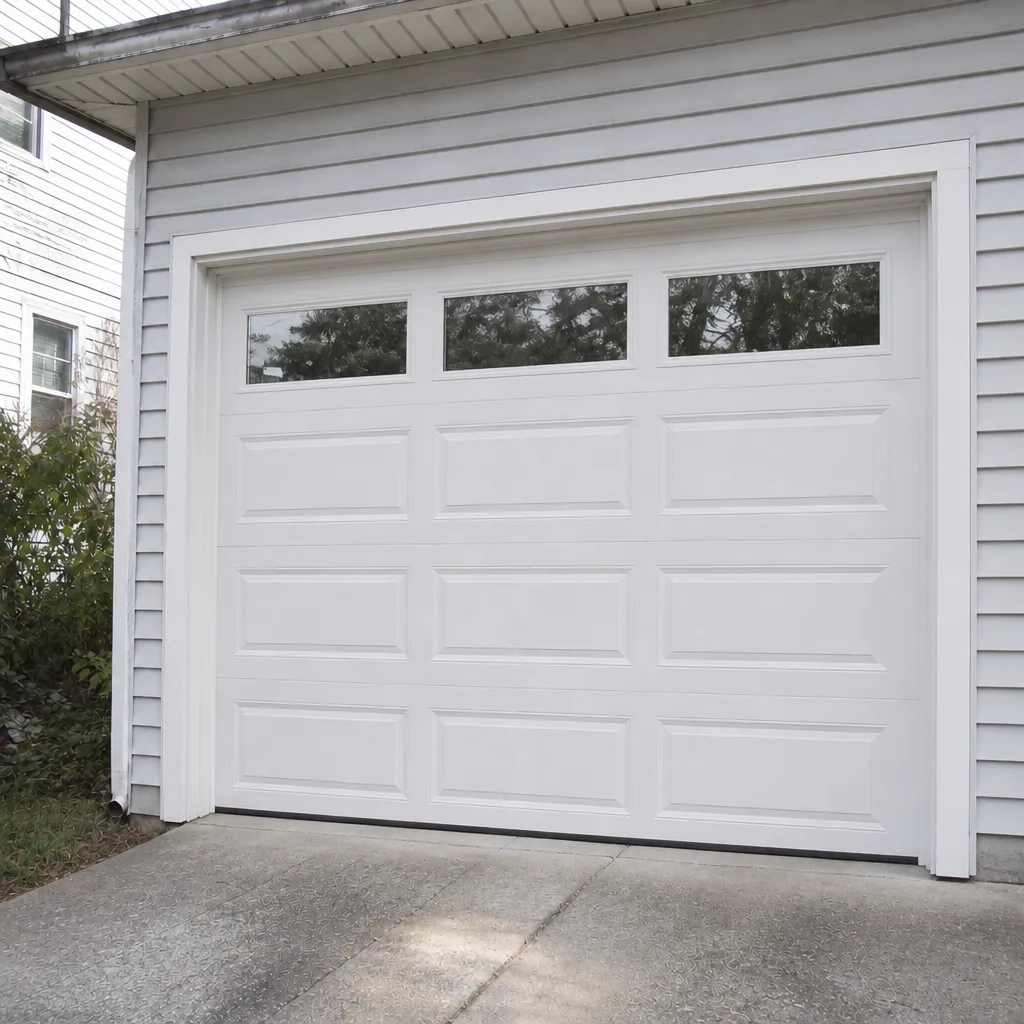
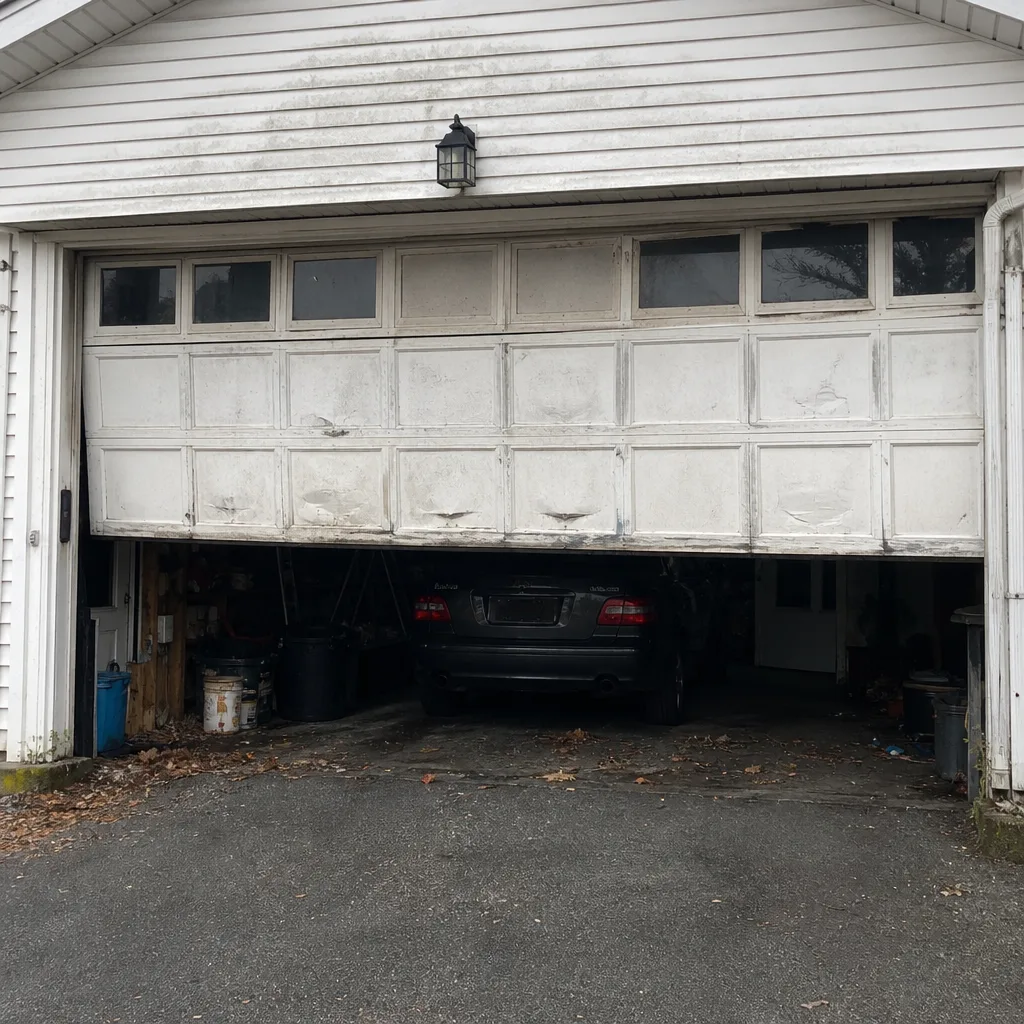
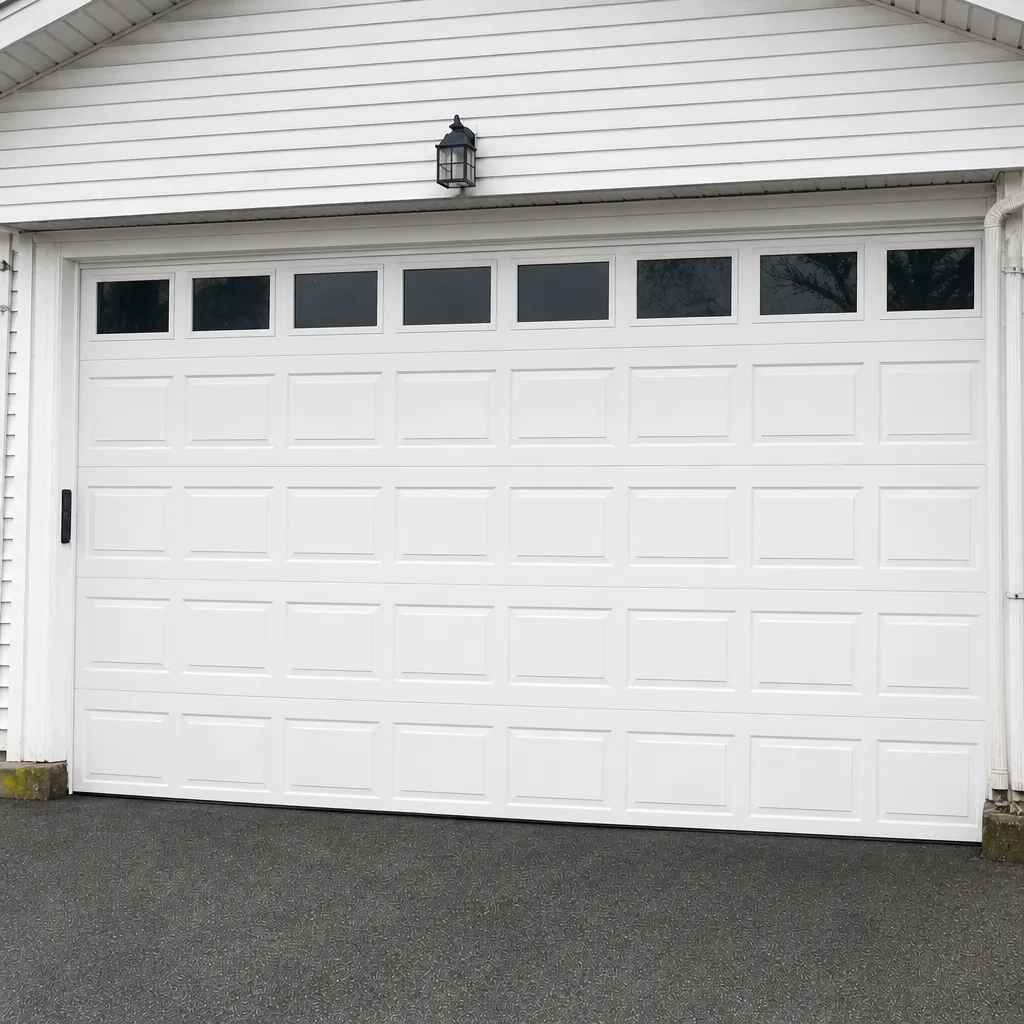
See the difference
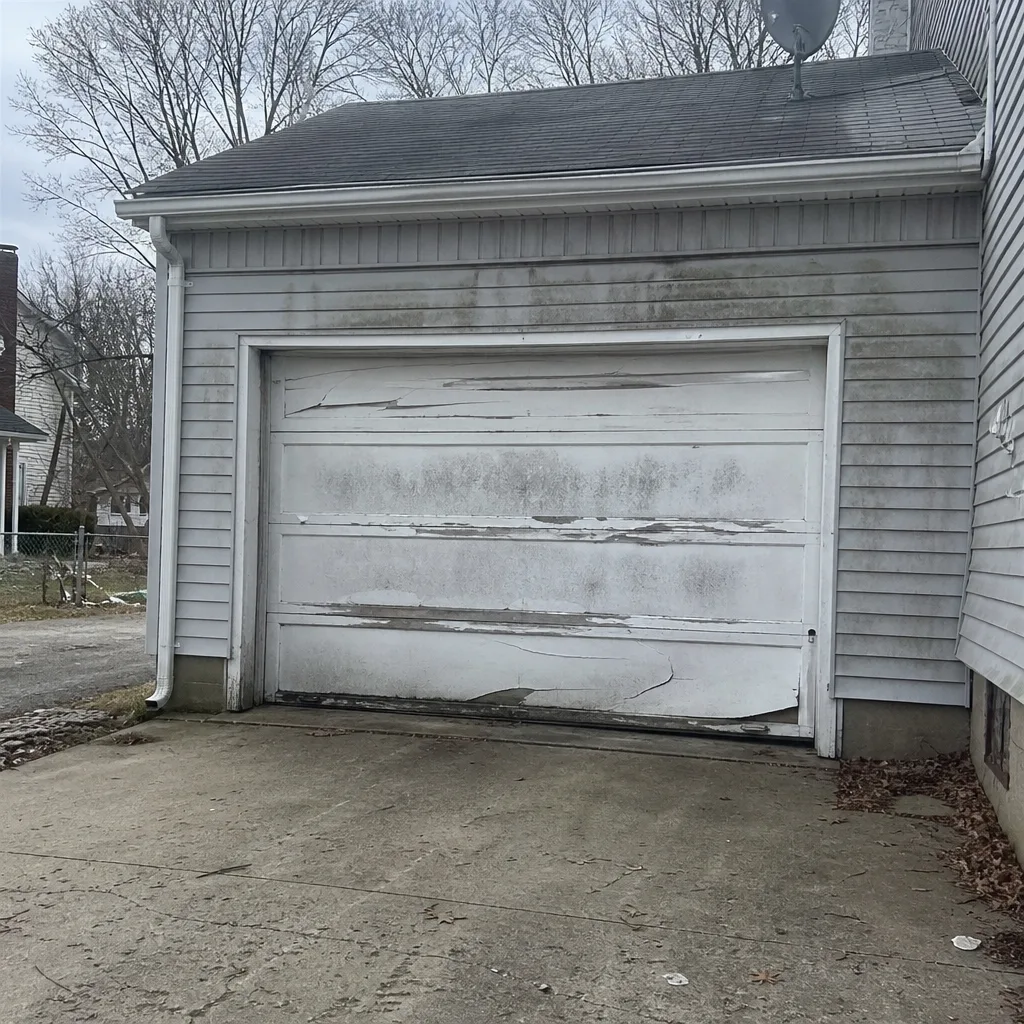 Before
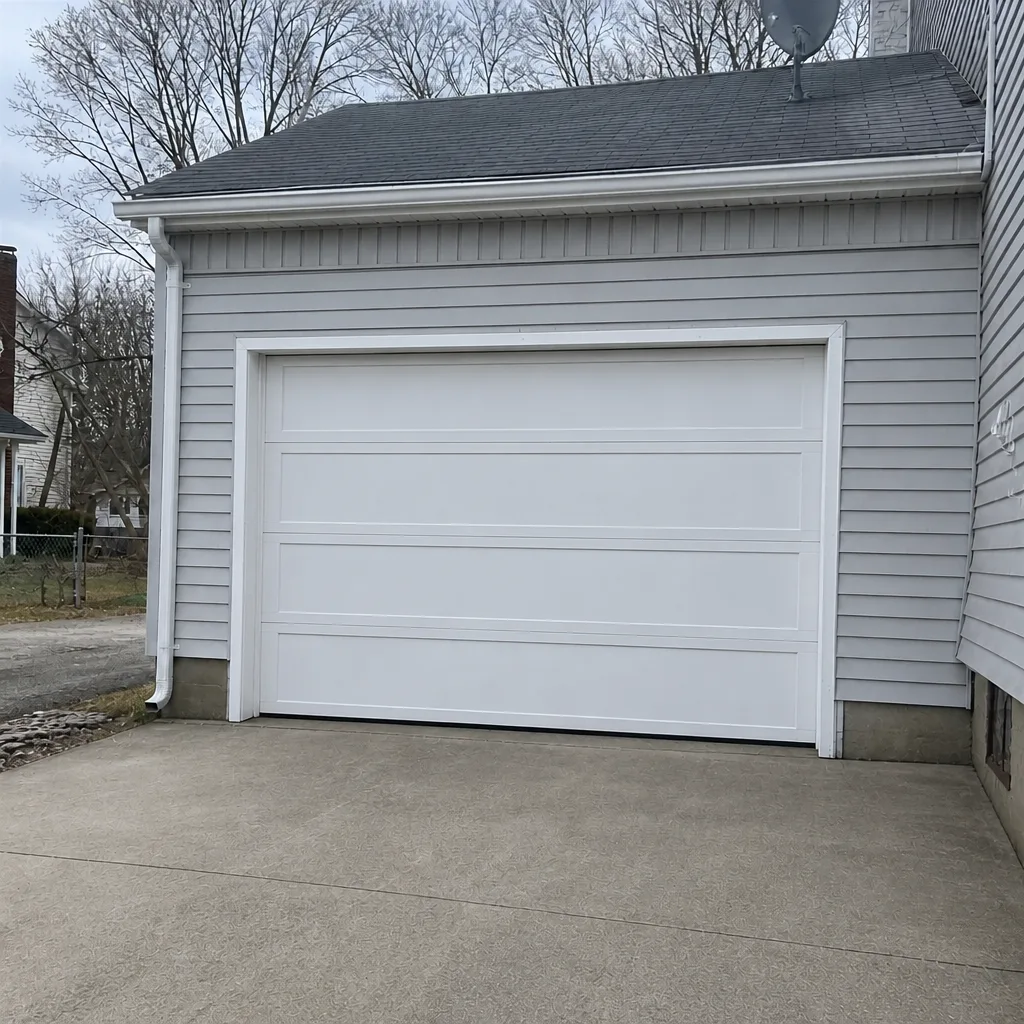 After
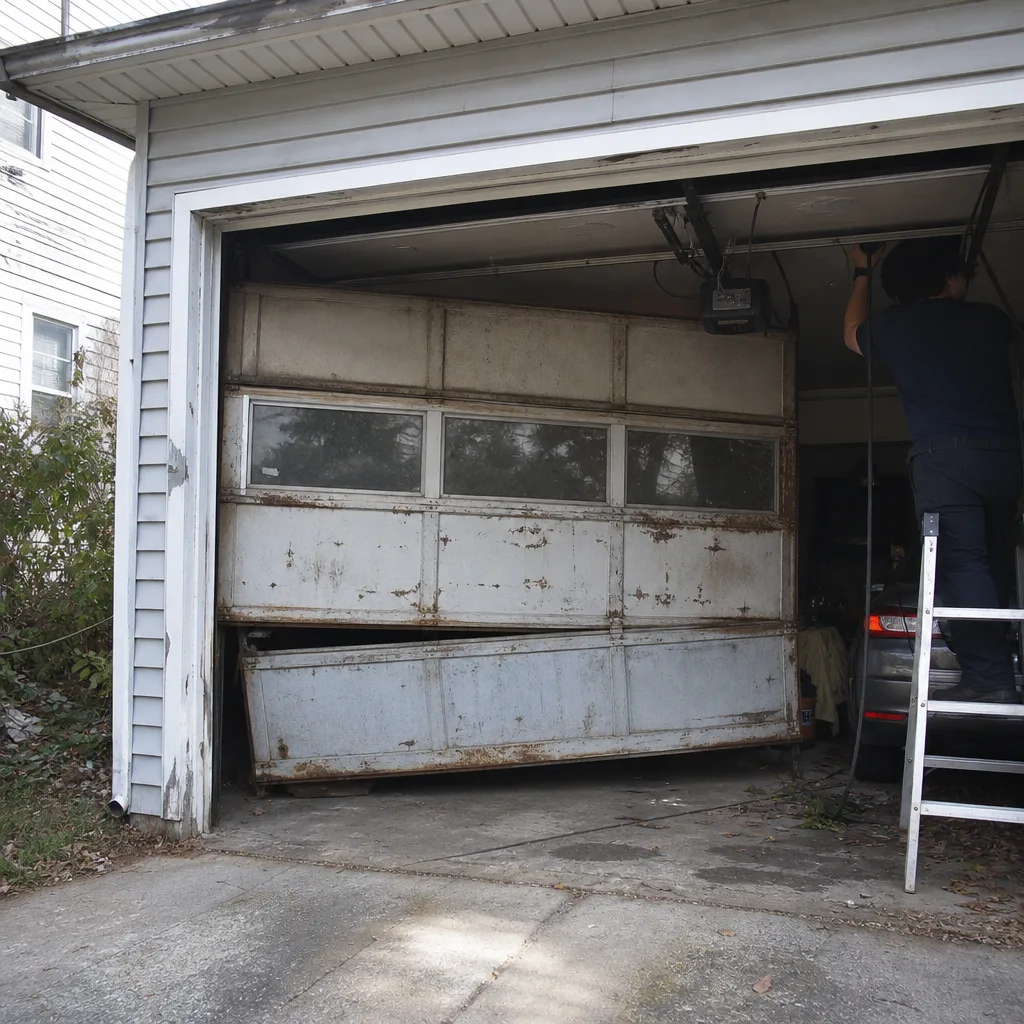 Before
 After
 Before
 After
When to Call a Professional
Call a professional when the repair touches a spring, a cable, a track, or the inside of the opener. Call when the door won’t stay open, reverses without an obstacle, runs rough in one spot, or makes a popping or snapping sound. Call if the door is off its tracks, if a cable looks slack or frayed, or if the opener strains to lift a door that used to lift easily. Call if your door is still under warranty and the repair isn’t routine maintenance. And call if you’re not sure which category a problem falls into; a free estimate settles it quickly. Glacier Garage Door Repair offers free estimates in New Bedford. Call (855) 360-9057. We answer 24/7. Fast dispatch from 7am to 7pm, Sunday through Friday.
Frequently Asked Questions
No, we don’t recommend it. Torsion and extension springs store enough energy to cause serious injury in under a second, and the winding and release process is where the danger lives. A spring that’s the wrong size also leaves the door unbalanced, which strains the opener. It’s a job for a trained technician with the right tools. Call (855) 360-9057 for a free estimate, and we’ll tell you exactly what’s involved.
You can safely handle weatherstripping, lubrication, safety sensor alignment, track cleaning, visual inspections, and panel washing. None of these involve stored energy or moving cables. Stick to the safe side of that line and you’re doing real good for your door without taking on risk.
Repair costs vary with the part and the door, so we quote per job rather than publish a flat number. The written estimate sets the final price, and it’s agreed before any work starts. Estimates are free. Call (855) 360-9057 to get yours, and we’ll explain the diagnosis before you commit to anything.
No. The written estimate you agree to sets the price. If we find something different during the visit, we’ll explain it and re-quote before any additional work happens, and nothing proceeds without your go-ahead. Call (855) 360-9057 for a free estimate.
Yes, we connect you with licensed, insured professionals who work on the full system, door and opener together. Our technicians have up to 13 years of experience and are familiar with major brands including LiftMaster, Chamberlain, Genie, Clopay, Amarr, Wayne Dalton, Craftsman, and Raynor. Call (855) 360-9057 with any questions.
It can complicate a claim. Most manufacturer warranties include terms about proper installation and service, and a claim can be denied if a failure traces back to homeowner-installed components. If your door is still under warranty, check the terms before starting a repair. Call (855) 360-9057 and we’ll walk you through what to look for.
Often, yes. We answer 24/7, and we run fast dispatch from 7am to 7pm, Sunday through Friday. A call outside those dispatch hours gets booked into the next opening. Call (855) 360-9057 and we’ll find you the soonest slot.
Yes. We repair and install both the door hardware and the opener, and we treat them as one integrated system. That matters because a door problem and an opener problem often have the same root cause. Our New Bedford garage door repair team gives one diagnosis instead of two.
The Bottom Line
The DIY-vs-professional question on a garage door comes down to risk, not skill. Weatherstripping, lubrication, sensor alignment, and inspections are yours to handle safely. Springs, cables, structural tracks, and opener internals are a trained professional’s job, because the stored energy involved changes the math. Do the safe upkeep yourself, get a written estimate before any repair starts, and check your warranty if your door is still covered. When the problem touches the mechanical core, one call covers it. Call (855) 360-9057 for a free estimate. We answer 24/7. Fast dispatch from 7am to 7pm, Sunday through Friday.
Written by the team at Glacier Garage Door Repair.