
Last updated November 15, 2026
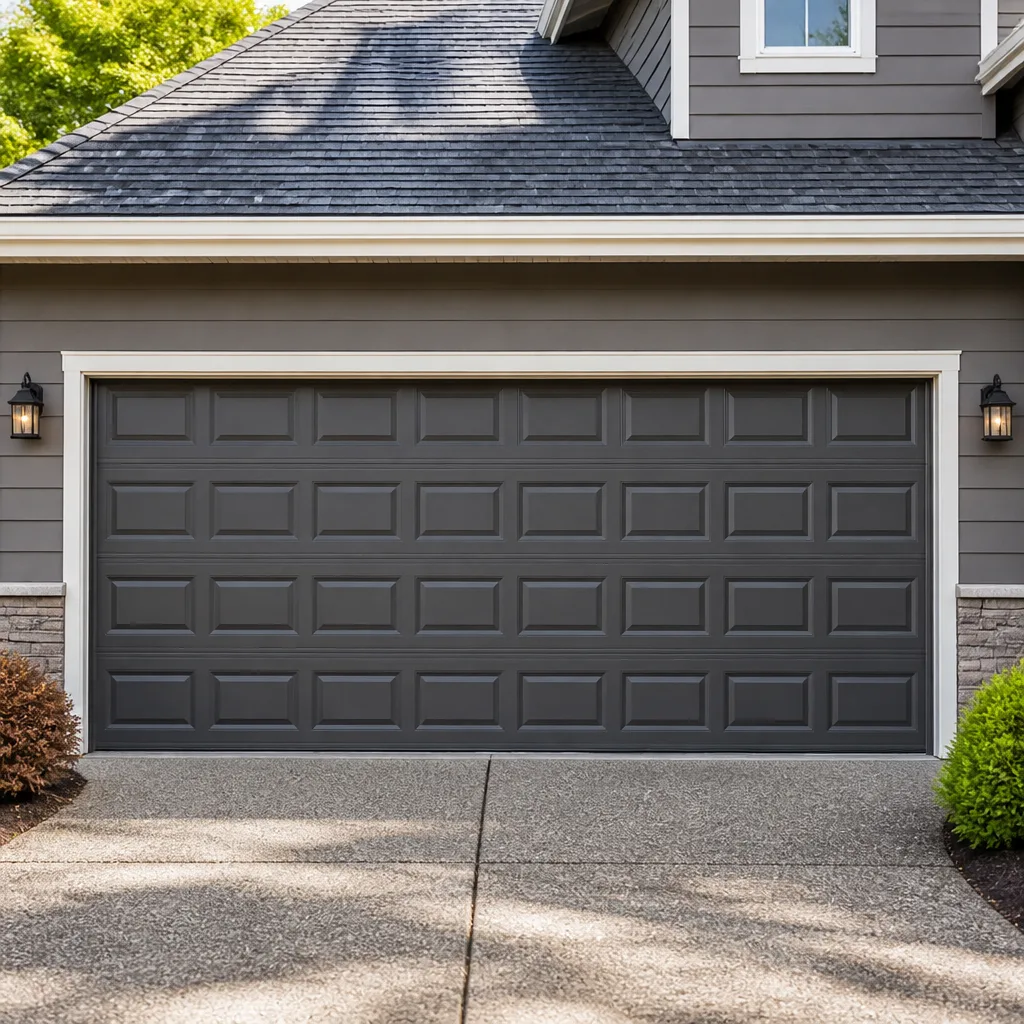 Raised-panel steel
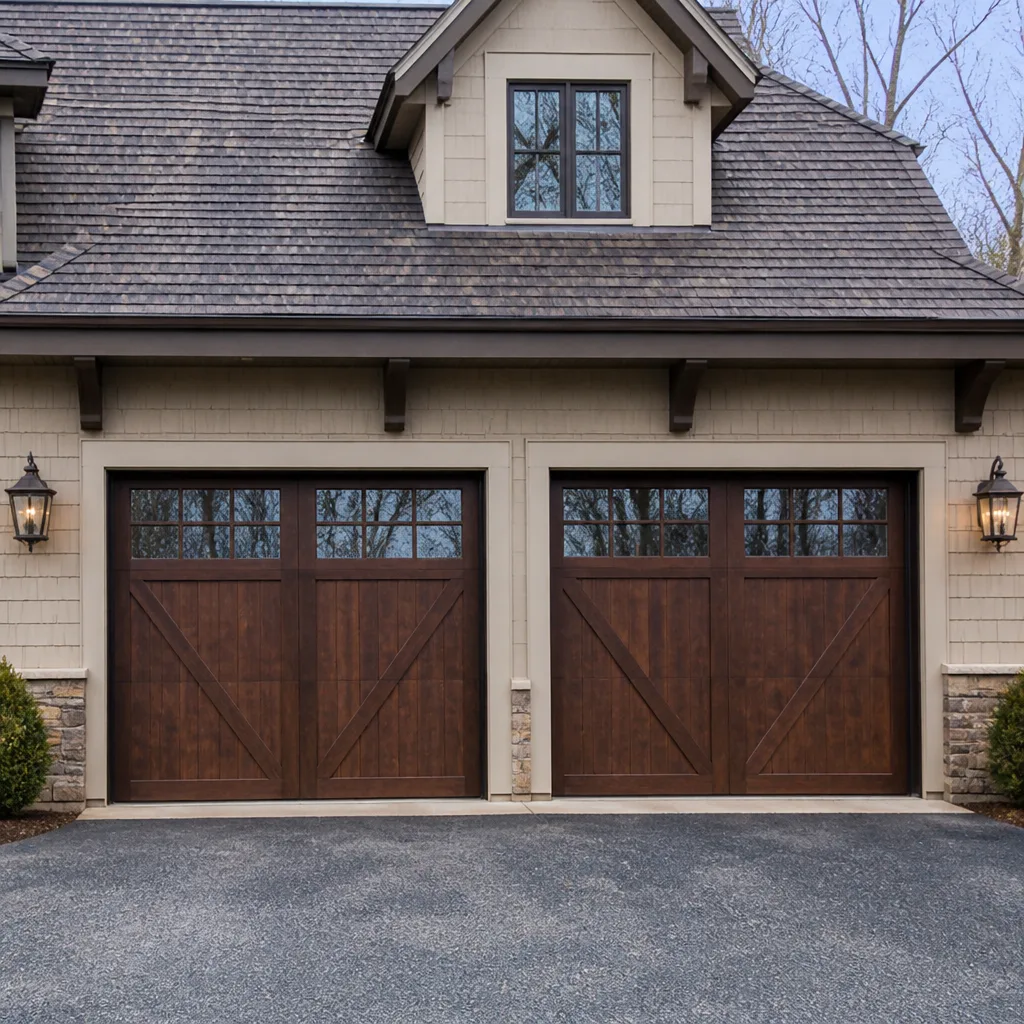 Carriage house
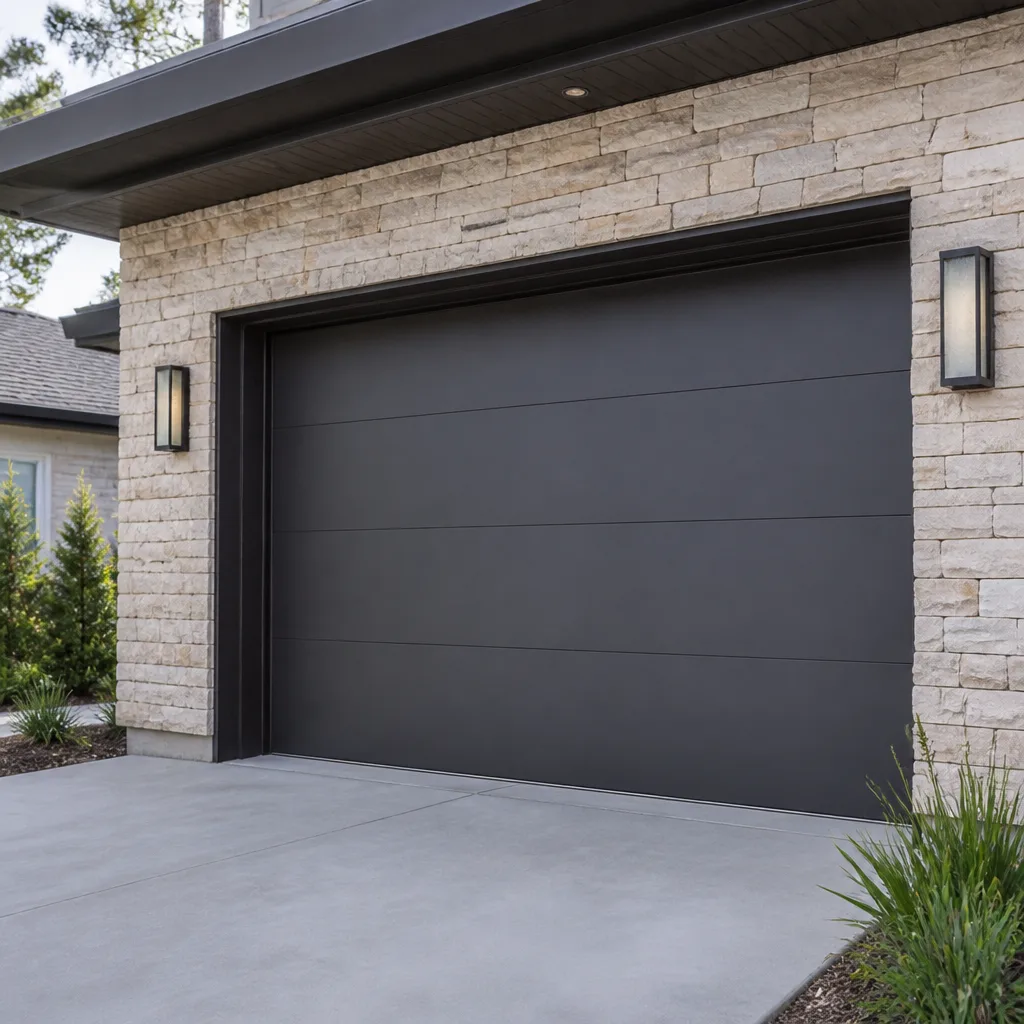 Modern flush
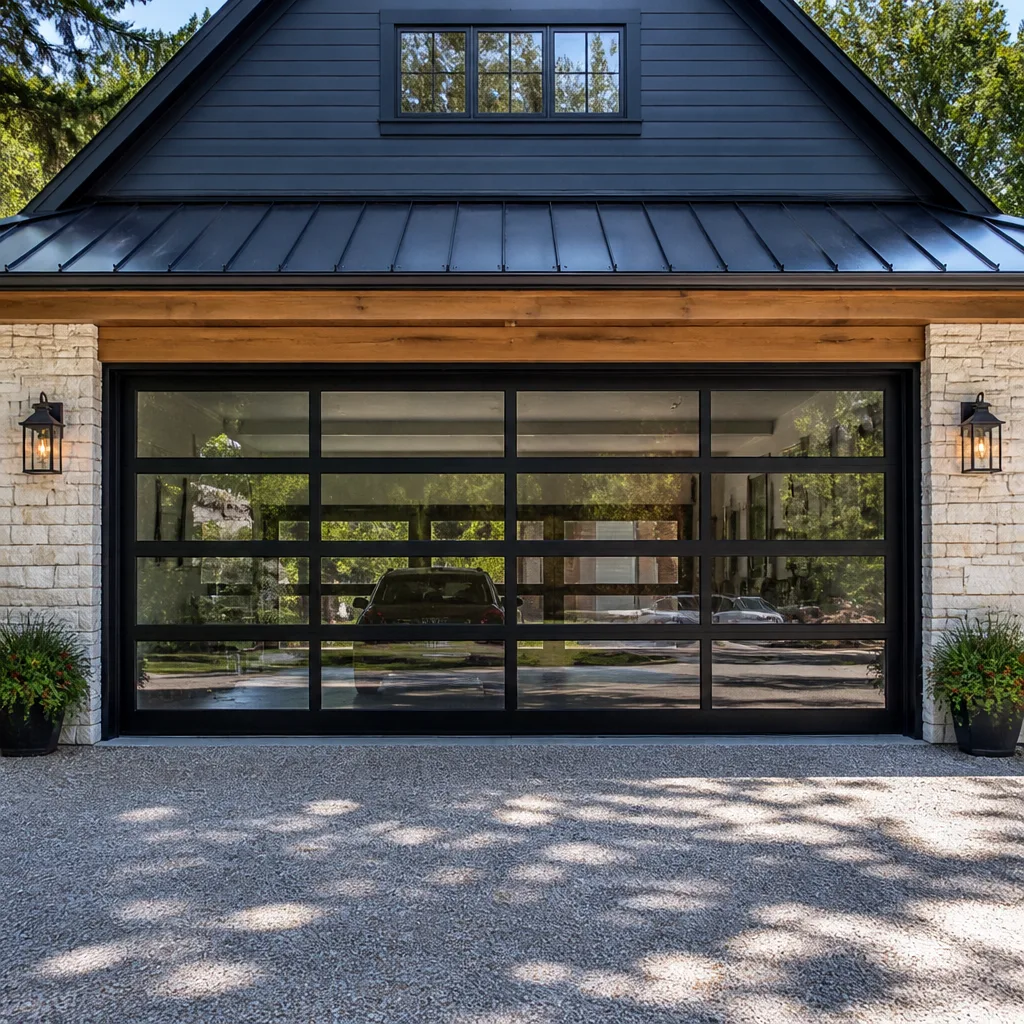 Full-view glass
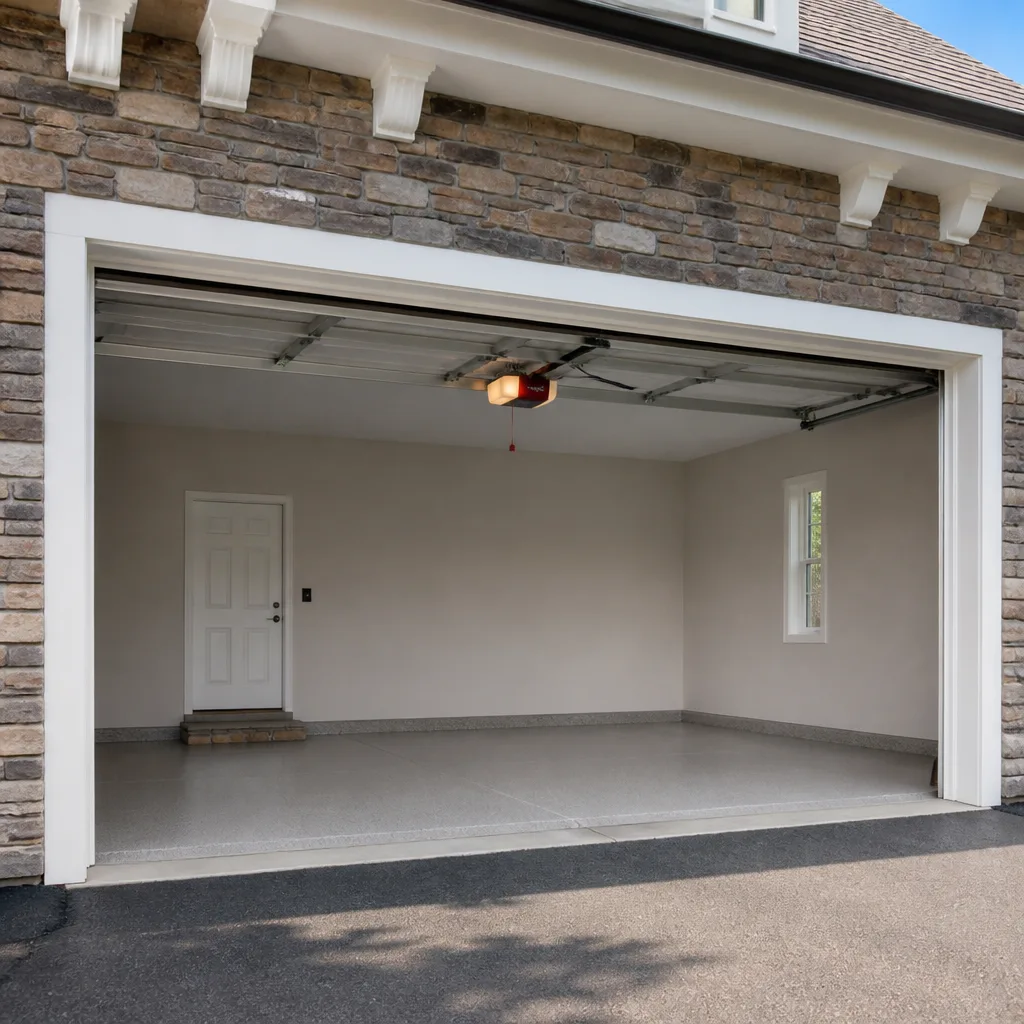 LiftMaster openers
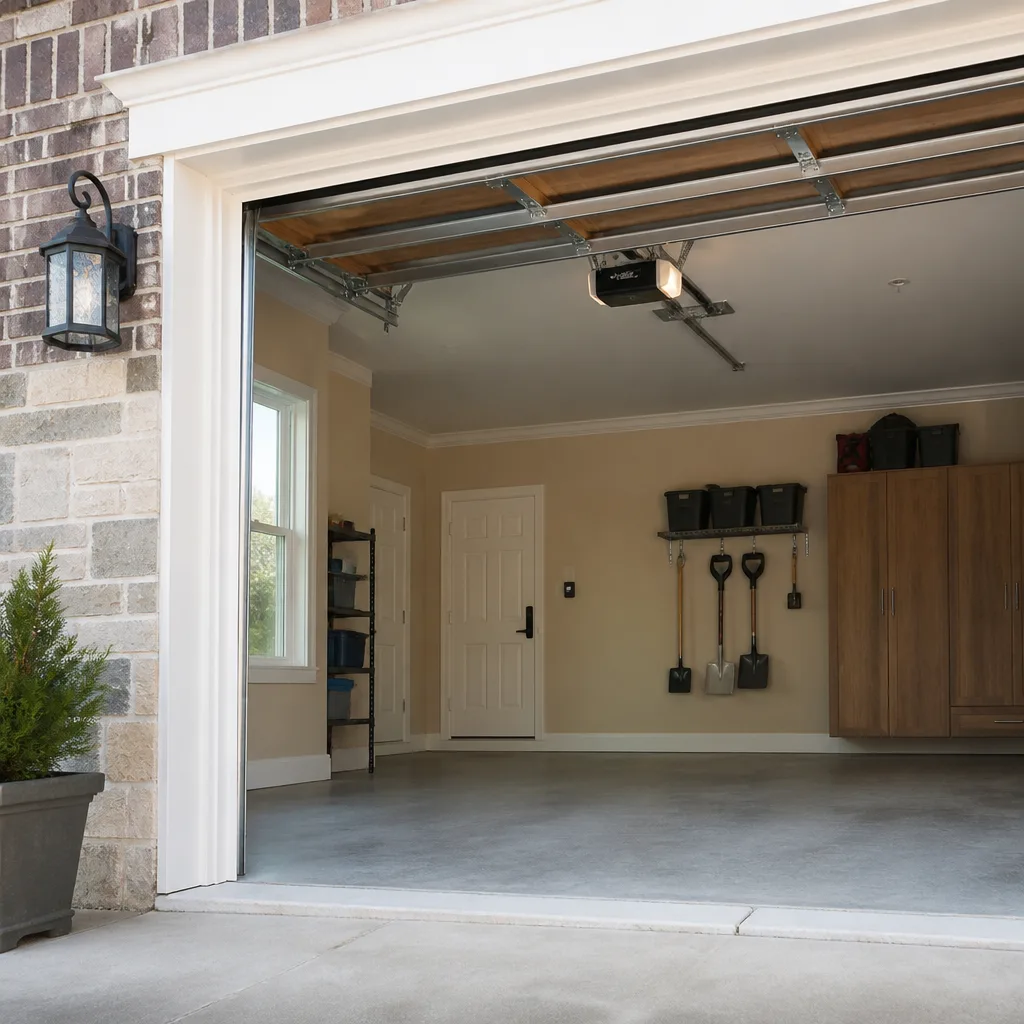 Chamberlain openers
Full 25-point door and opener safety check with every visit - springs, cables, rollers, tracks, and your LiftMaster or Chamberlain opener included
You get a price before we start. It does not change when the pro arrives.
Get your free estimateGarage Door Permits, Codes & Inspections in New Bedford, MA: What You Need to Know
Here’s the part that surprises most homeowners: a full garage door replacement in New Bedford can require a building permit, and plenty of replacements happen without one. That gap doesn’t cause a problem on the day of the install. It surfaces years later, when a buyer’s inspector flags an unpermitted structural change and the deal stalls over paperwork nobody remembers. If you sell your New Bedford home and an unpermitted garage door replacement shows up in a buyer’s inspection, you’re not just explaining a paperwork gap – you’re potentially renegotiating your sale price. This guide walks through when Massachusetts code actually requires a permit, how New Bedford’s building department handles these applications, what wind load and energy rules mean for the door you can legally install, how permit status touches insurance claims after storm damage, and what “up to code” really means for your opener.
Quick Answer
In New Bedford, a full garage door replacement generally requires a building permit because it’s a structural and envelope change to the home; routine repairs like spring, cable, roller, panel or opener swaps typically don’t. Wind load and energy code requirements determine which doors can legally be installed here, and an opener must meet current UL 325 safety standards when it operates a new door. Always confirm the specifics with the New Bedford building department before work begins, since requirements and timelines can shift.
Styles & brands we work with
- Raised-panel steel
- Carriage house
- Modern flush
- Full-view glass
- LiftMaster openers
- Chamberlain openers
Table of Contents
- When does Massachusetts building code require a garage door permit?
- How does the New Bedford building department permit process work?
- Wind load and energy code: which doors can you legally install?
- How does permit status affect insurance claims after storm or impact damage?
- What does “up to code” mean for a garage door opener?
- What happens during a garage door inspection, and what do inspectors look at?
- How does permit status affect resale and a buyer’s inspection?
- Repair versus replacement: what triggers the permit question?
When does Massachusetts building code require a garage door permit?
A garage door permit is required when the work changes the structure or the building envelope, not when you’re restoring a component that already exists. Replacing a whole door assembly, changing the size of the opening, altering the header or framing, or installing a door where there was a solid wall all fall into permit territory. Swapping a broken torsion spring, a frayed cable, bent rollers or a dead opener usually does not.
The dividing line is whether the work affects the building’s structural or thermal envelope. That’s the simplest way to think about it in New Bedford, where most homes have an attached garage that shares at least one wall with living space.
Cases that typically require a permit:
- Full replacement of the garage door and its track system with a different size or configuration
- Any change to the rough opening, header, jambs or framing around the door
- Converting an opening to a new door where none existed
- Adding a new garage door opener that requires new electrical work
- Structural changes needed to fit a heavier or differently rated door
Cases that typically don’t:
- Spring, cable, roller, hinge or bracket replacement
- Panel replacement using the same door model and size
- Opener replacement or repair with existing wiring in place
- Weather seal, bottom seal and trim replacement
The safest rule for any homeowner: call the New Bedford building department and describe the work in plain language. A thirty-second phone call tells you whether you need to file. We’ve seen plenty of homeowners assume a replacement is a simple swap and learn otherwise during a buyer’s inspection, so confirm before the door goes up rather than after.
How does the New Bedford building department permit process work?
Start by calling the New Bedford building department and asking what’s required for a garage door replacement at your address. Tell them the door size, whether the opening changes, and whether electrical work is involved. They’ll tell you which application applies and what to submit.
The process generally follows these steps:
- Call the building department. Confirm that a permit is required and ask which forms apply to a residential garage door replacement.
- Gather the product documentation. Manufacturers supply specification sheets showing wind load ratings and, where applicable, energy performance. The department will want these with the application.
- Submit the application. Include the address, scope of work, product specifications and any drawings the department requests. A contractor who does this regularly will know what the office expects.
- Pay the permit fee. The fee is set by the city and depends on the valuation of the work.
- Schedule the inspection. Once the door is installed, the work needs to be inspected before the permit is closed out. Ask the department what the current wait time looks like.
Timelines vary by season and by workload at the office, so treat any estimate you hear as a rough guide rather than a guarantee. Spring and early summer tend to be busier because more exterior work gets scheduled then. In New Bedford, older housing stock in neighborhoods around the near north end and the south end sometimes has nonstandard openings, which can mean the department asks for a bit more documentation. Build that into your timeline.
One practical note: the written estimate from your installer should spell out whether permit costs are included. Get that in writing. It’s a common surprise on the final invoice when it isn’t clarified up front.
Wind load and energy code: which doors can you legally install?
Massachusetts building code requires that exterior components, including garage doors, meet wind load requirements for the design pressure at your location, and energy code requires that the door separating a garage from conditioned living space performs to an insulation standard. In practice, that means you can’t legally install just any door – it has to be rated appropriately for its position on the house.
Wind load matters most for doors that are large and face the prevailing weather. The rating is expressed on the manufacturer’s specification sheet and it’s what the permitting office wants to see. A door rated for a lower design pressure than the site requires isn’t just noncompliant, it’s a weaker assembly in a storm.
Energy code comes into play when the garage is attached to the house, which describes most New Bedford homes. A door that separates the garage from heated living space is treated as part of the building envelope. Insulated doors with a proper thermal rating satisfy that requirement. Single-sheet steel doors generally don’t.
Manufacturers publish these ratings clearly. Clopay and Amarr both supply specification sheets showing wind load ratings and insulation values for each model, and that documentation is what moves a permit application along. When you’re choosing a door, ask for the spec sheet before you sign anything. If a contractor can’t produce it, that’s a signal about how the whole job will run.
We work with the brands already in most driveways around here, including Clopay and Amarr, so we know which models have the documentation New Bedford’s building department wants and which ones create a back-and-forth. Getting the paperwork right the first time saves weeks.
How does permit status affect insurance claims after storm or impact damage?
Permit status can affect how an insurer handles a claim for garage door damage, because the claim adjuster looks at whether the installed door met applicable code. If the door was replaced without a permit and without documentation of a compliant rating, the insurer may question the installation during the claim review. That doesn’t automatically mean a denial, but it introduces a variable you don’t want in the middle of repairing storm damage.
The mechanics work like this:
- Permitted, documented installation: there’s a record the work was inspected and the product was rated for the site. The adjuster has what they need to value the loss and confirm compliance.
- Unpermitted installation with product documentation: you can still produce the manufacturer’s spec sheet, which helps, but it takes more work to close the loop.
- Unpermitted installation with no documentation: the adjuster has to determine whether the installed door was compliant, which can slow the claim and, in some cases, reduce what’s paid out.
New Bedford sees its share of strong nor’easters and summer thunderstorms, and impact damage to garage doors is one of the more common exterior claims homeowners file. A door that wasn’t permitted or wasn’t rated for the site is a weakness in the claim file right when you need it to be clean. Keeping the permit, the inspection sign-off and the product spec sheet together in one folder takes ten minutes and saves hours later. That file is one of the more valuable pieces of paperwork a homeowner can keep.
For the repair side of things after a storm, our garage door repair work starts with a full assessment of the door and hardware so the estimate matches what’s actually damaged, not just what’s visible from the driveway.
What does “up to code” mean for a garage door opener?
Under UL 325, the safety standard for garage door operators, any opener installed today needs a primary entrapment protection system plus a secondary means of protection – typically the photoelectric eye sensors at the bottom of the opening. If you’re replacing the door, the opener operating it should meet current requirements even if the old opener technically still runs.
This is where a lot of older New Bedford homes get complicated. An opener installed two decades ago might not have the same safety sensors, force limits or reversing behavior that current standards require. When you change the door, you’re changing the load the opener has to move. An older opener matched to a lighter door may strain with a heavier insulated one, which affects both performance and safety.
What a compliant setup includes:
- Photoelectric safety sensors positioned at the opening, aligned and functioning
- A force setting that reverses the door on contact within the standard’s limits
- Proper travel limits matched to the new door’s travel
- A control wall button mounted in clear sight of the door, out of reach of children
- Manufacturer documentation confirming the opener meets current UL 325 requirements
We treat the door and the opener as one system. That’s why garage door opener repair and door work go together in our service model: an opener that isn’t matched to the door it moves is a safety gap, not a minor inconvenience. Chamberlain and Genie both publish their UL 325 compliance documentation, and we keep that paperwork handy for homeowners who need it for a permit or a claim.
If you’re looking at replacing the door, have the opener evaluated at the same time. It’s the only reliable way to know whether the old unit can do the job safely.
What happens during a garage door inspection, and what do inspectors look at?
A garage door inspection verifies that the installed door and its opening components are structurally sound, properly anchored and compliant with the permitted scope of work. Building inspectors focus on the door and the opening. A separate service inspection focuses on springs, cables, opener function and safety reversal.
What building inspectors typically review:
- Door size and product specification match the permit application
- Track anchoring, fasteners and structural attachment at the header and jambs
- Proper weather sealing around the opening
- Wind load and energy documentation for the installed door
- Any framing or structural changes made to fit the door
What a service inspection typically covers:
- Spring tension, cable condition and hardware wear
- Door balance and travel smoothness
- Opener safety reversal and photoelectric sensor alignment
- Weather seal condition and bottom seal contact
- Overall structural integrity of panels and hardware
High-tension torsion springs and the cables wound around the drums are the most dangerous parts on the whole assembly. They hold stored energy that can release without warning, and adjusting them requires specific tools and knowledge. We don’t recommend homeowners touch them, and neither does any experienced technician. If you’re checking things yourself, limit it to the door balance test, the sensor alignment and the reversing behavior – and call us for anything involving springs, cables or opener internals.
For a full checklist covering what a technician looks at during a service visit, the Glacier Garage Door Repair homepage breaks down the three core service areas we cover.
How does permit status affect resale and a buyer’s inspection?
Unpermitted garage door work can surface during a buyer’s inspection and turn into a negotiating point. Building inspectors and home inspectors often ask for permit records when a garage door looks newer than the rest of the house. When the record doesn’t exist, the buyer’s agent will ask about it, and that’s when the deal gets renegotiated.
The risk runs in three directions:
- Disclosure. Massachusetts requires sellers to disclose known material conditions and unpermitted work. If the door wasn’t permitted, it belongs in the disclosure.
- Buyer’s inspection. A newly installed door with no permit history is a common flag. Home inspectors call it out, and the buyer’s lender may ask questions too.
- Renegotiation. The buyer asks for a price reduction or asks the seller to cover retroactive permitting. Either way, the seller is now on the defensive.
The fix is simple and cheap if you do it at the time of the install: pull the permit. If you’re selling a New Bedford home and aren’t sure whether a garage door replacement was permitted, call the building department and ask whether a record exists at your address. If there’s no permit, ask what retroactive permitting would take. It’s usually less expensive than a price concession at closing.
Property records also often get pulled when an owner requests a mortgage refinance or a new insurance policy on the home. The permit trail sits in the same file. Keeping it intact avoids a very avoidable phone call.
Repair versus replacement: what triggers the permit question?
A repair doesn’t trigger the permit question. A replacement does. The dividing line is whether the work changes the structural or envelope elements of the opening – not just how much the door looks different afterward.
Repairs that usually don’t need a permit:
- Replacing a broken torsion spring or extension spring
- Replacing frayed or snapped cables
- Replacing worn rollers, hinges or bearings
- Replacing a damaged panel with the same model and size
- Repairing or replacing an opener with existing wiring
- Replacing weather seals or bottom seals
Replacements that typically do need a permit:
- A full door and track replacement with the same size and configuration
- A replacement with a different size, weight or rated performance
- A replacement that requires framing changes at the opening
- Adding a new opener that involves new electrical runs
In our experience, repairs are the right call in more situations than homeowners expect. A door that’s noisy, sagging or slow is usually repairable with the right parts and adjustment. Replacement enters the picture when the panels are beyond repair, the hardware is degrading across the whole assembly, or the door no longer meets code requirements for its position on the house. Getting an unbiased recommendation on repair versus replacement is one reason we keep both service areas under one roof. We don’t have a stake in steering you toward the larger job. Our motivation is to make the recommendation that fits the door, and that’s it.
If you’re trying to sort out whether your situation is a repair or a replacement, describe it to us and we’ll give you a straight answer before any work is agreed. If you’re in another part of the region, the same guidance applies across New Bedford and the neighboring communities.
Common Mistakes to Avoid
- Assuming a full replacement doesn’t need a permit because nothing about the opening changes. In many cases the permit is still required because the door assembly is a rated part of the building envelope. Confirm with the New Bedford building department before you order the door.
- Holding onto the old opener when replacing a door. An older unit may not meet current UL 325 requirements and may not be matched to the new door’s weight and travel. Have it evaluated at the time of replacement.
- Choosing a door based on appearance alone. Wind load and energy performance need to meet code for the door’s position on the house. Ask for the manufacturer’s specification sheet for every model you consider.
- Skipping the inspection after the install. An open permit is worse than it sounds – it can complicate a sale or a claim later. Get the inspection done and keep the sign-off.
- Not asking whether permit fees are in the estimate. City fees and the time to handle the application are real costs. Clarify up front whether they’re included in the written estimate.
- Attempting spring or cable work yourself. The torsion spring holds stored energy that can release instantly. Trained technicians use the right tools and process for a reason, and the risk of serious injury here is real.
- Losing the product documentation. Keep the permit, inspection sign-off and manufacturer’s spec sheet in one file. It’s the difference between a clean insurance claim and one that drags.
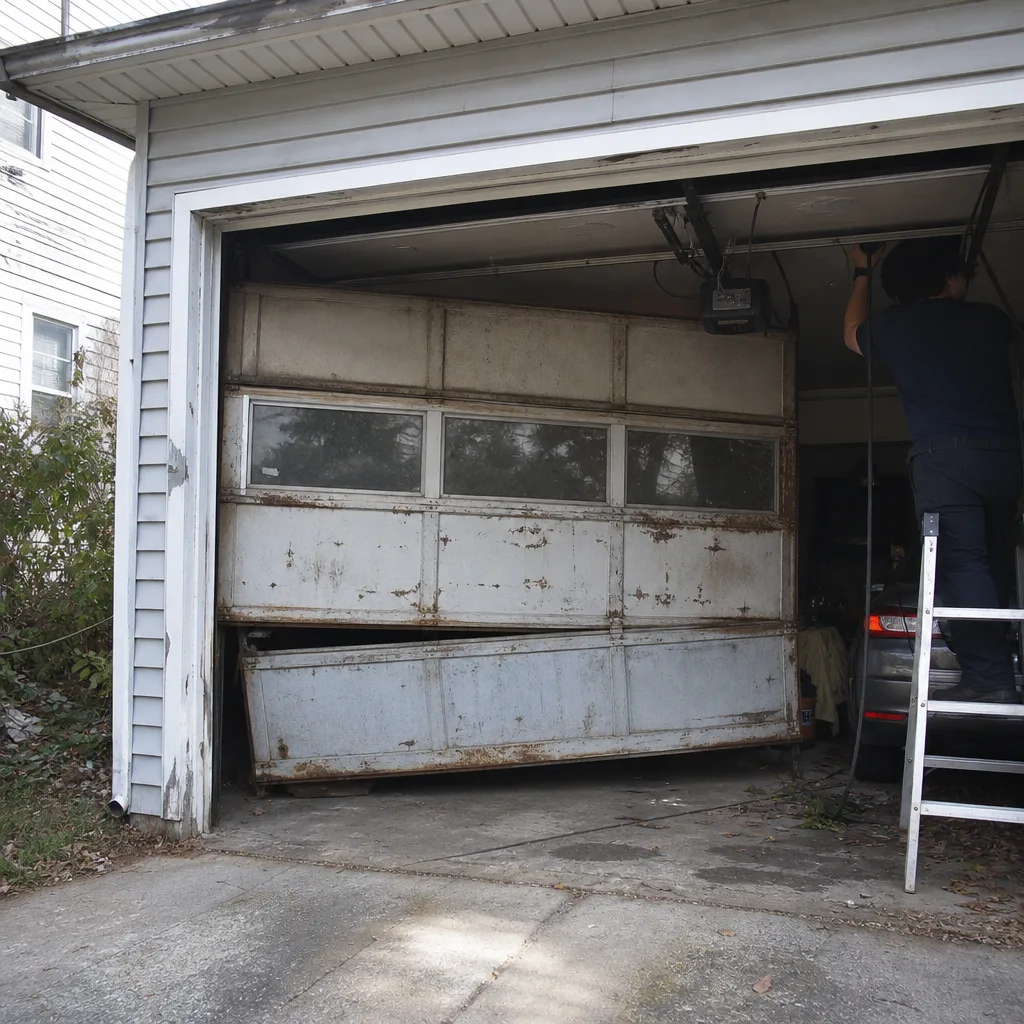
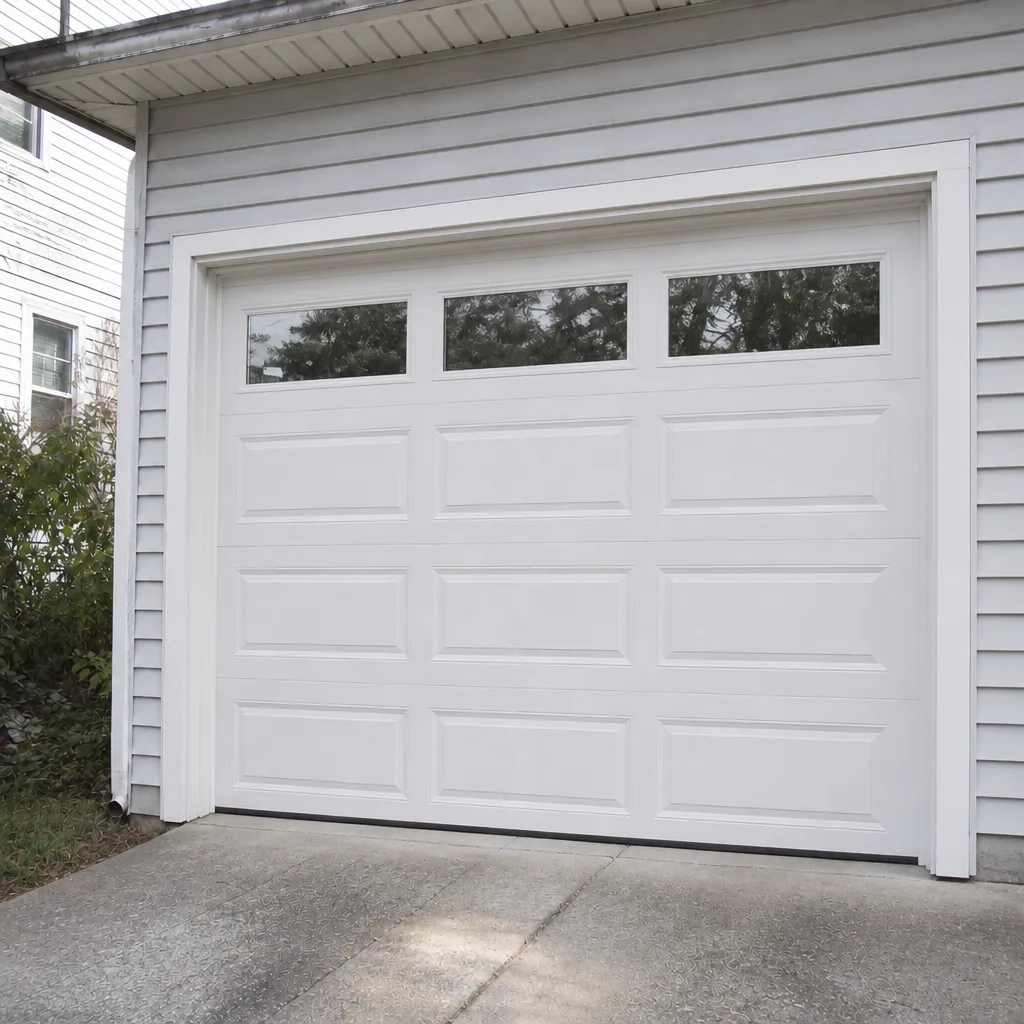
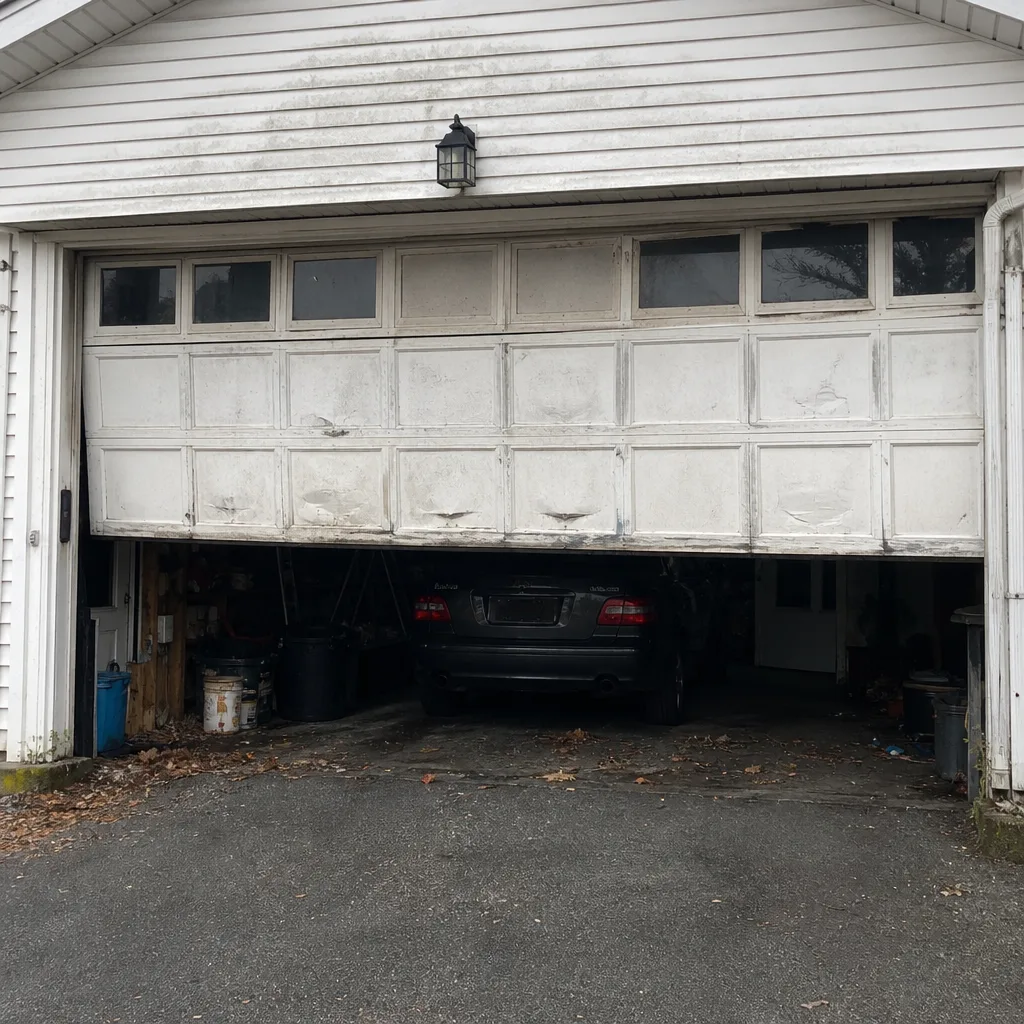
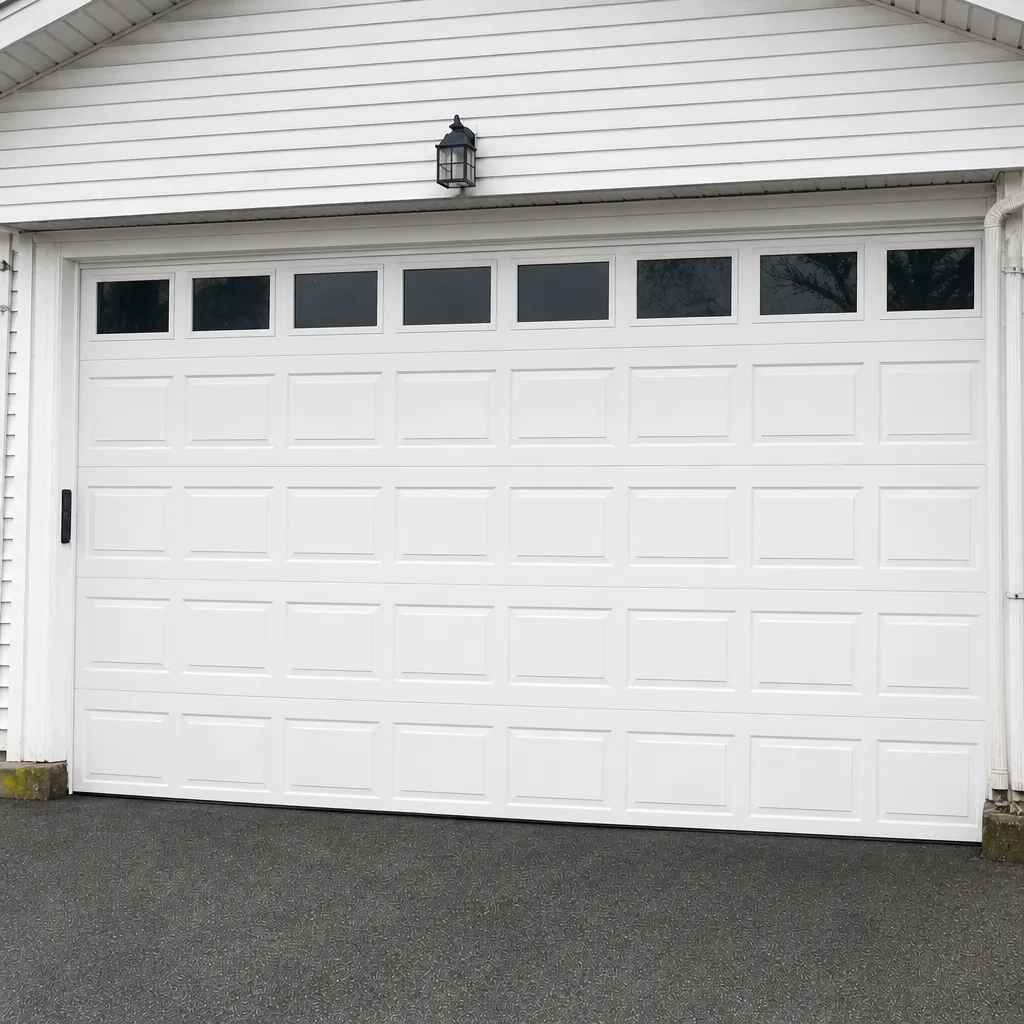
See the difference
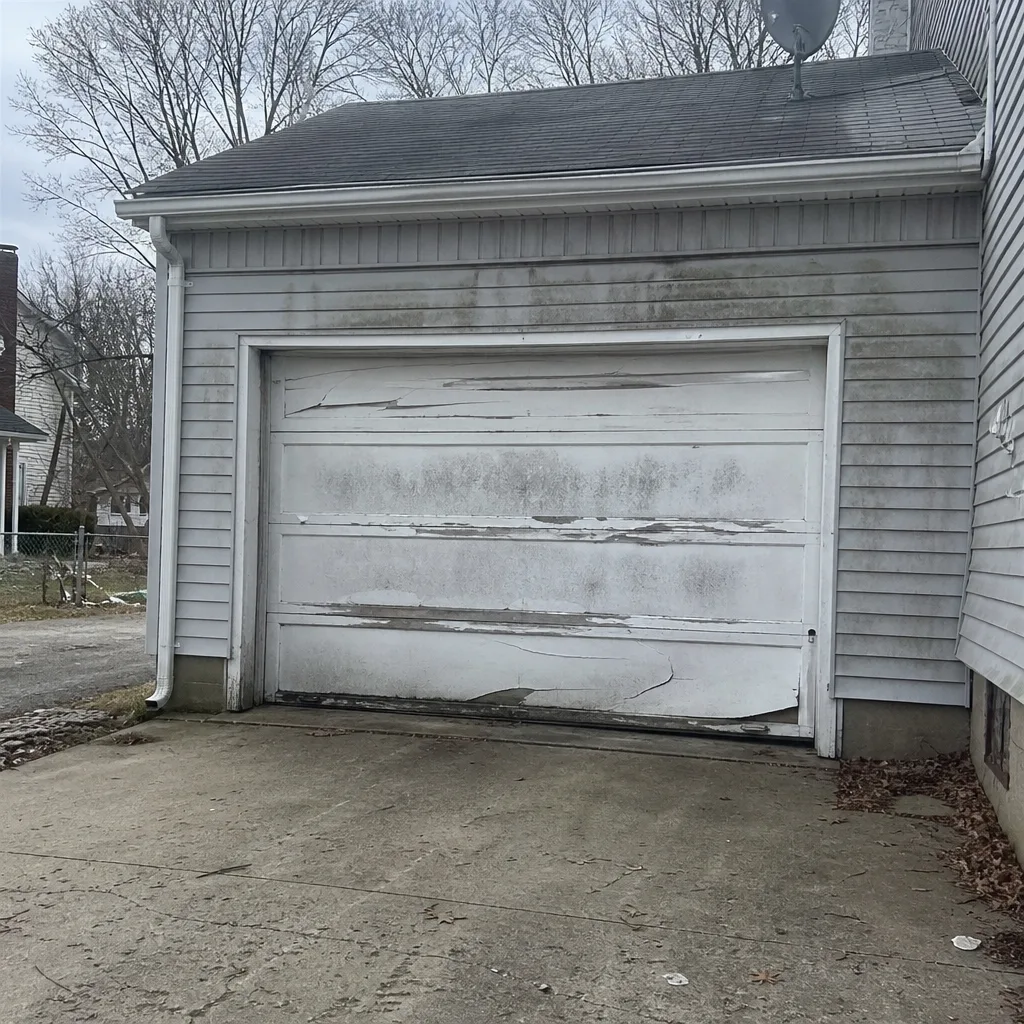 Before
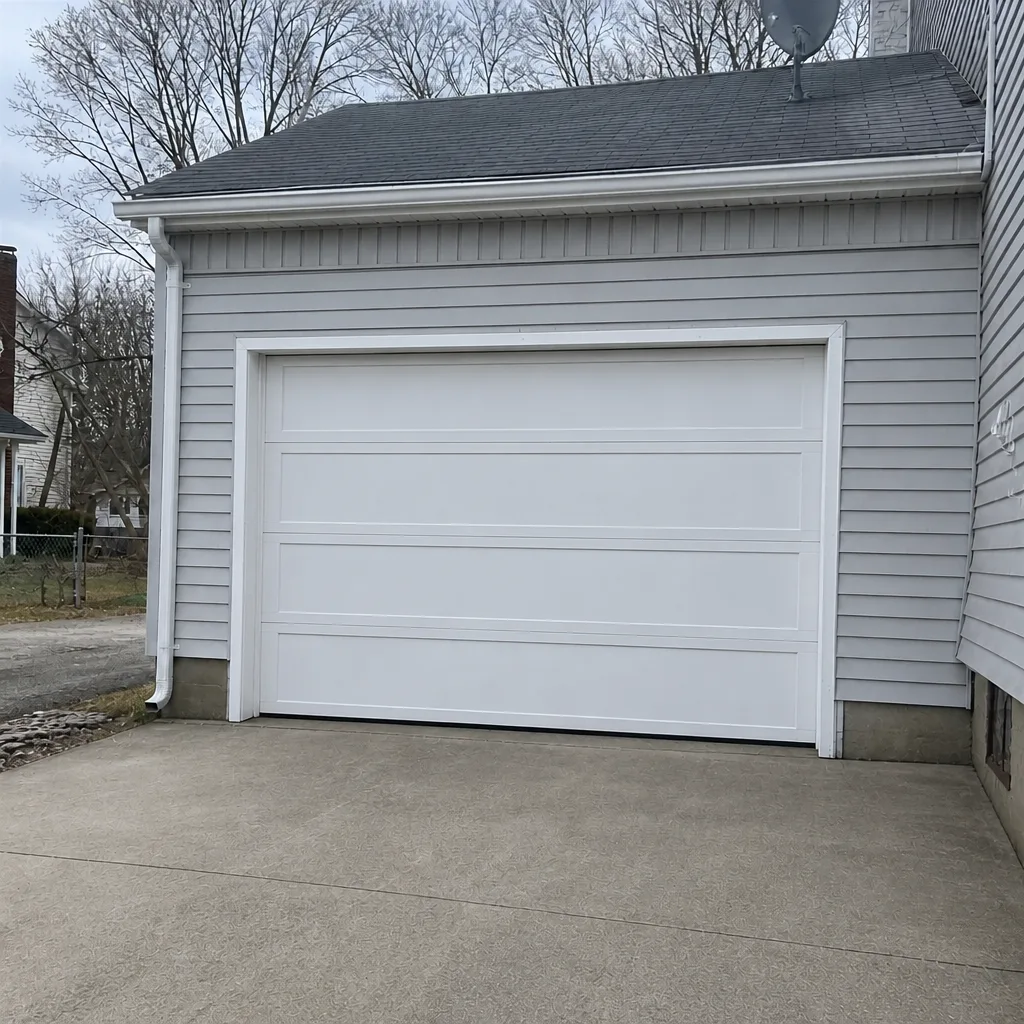 After
 Before
 After
 Before
 After
When to Call a Professional
Call a professional when springs or cables break, when the door slips, drops or runs unevenly, or when an opener’s safety reversal isn’t working. Those are the cases where a wrong adjustment can make things worse, and where the danger to a homeowner is real. Call us before you sign a replacement contract too, if you aren’t sure whether the work needs a permit – it’s a question worth getting right before the door arrives. Glacier Garage Door Repair offers free estimates in New Bedford – call (855) 360-9057. We answer 24/7. Fast dispatch from 7am to 7pm, Sunday through Friday, and we’re closed Saturday. Our technicians have up to 13 years of experience, work with the brands already in most driveways here, and give you a written estimate before any work starts.
Frequently Asked Questions
In most cases, yes. A full garage door replacement changes a rated exterior component of the home and typically requires a building permit from the New Bedford building department. Routine repairs like springs, cables, rollers and openers generally don’t. Call the department and describe the work to confirm. Call (855) 360-9057 if you want help phrasing the scope – estimates are free.
Timelines vary by season and the department’s current workload, so any estimate is a rough guide rather than a promise. Ask the New Bedford building department what the current turnaround looks like when you call. Build several weeks into your plan if you’re scheduling around a sale or a storm repair. Call (855) 360-9057 for a written estimate that accounts for permit handling.
It can complicate the claim. If the door was replaced without a permit and without documentation that the installed product was rated for the site, the adjuster has more to verify before the claim can be settled. A permitted installation with the inspection record and specification sheet on file is the cleaner path. Call (855) 360-9057 for a free estimate if you need to have the door evaluated before repair work.
Yes, in practice. Under UL 325, an opener installed today needs a primary entrapment protection system plus photoelectric safety sensors. An older opener from the last decade or two may not meet those requirements, and it may not be matched to the new door’s weight. Have the opener evaluated at the same time as the door. Call (855) 360-9057 for a free estimate on a full door-and-opener evaluation.
The door is governed by building code rules around wind load and energy performance, and the opener is governed by UL 325 safety standard rules. Both apply, and both are checked – the door for its rated performance, the opener for entrapment protection and reversing behavior. Call (855) 360-9057 for a free estimate if you want to know where your door and opener stand.
Yes. Our technicians are trained on eight major brands – LiftMaster, Chamberlain, Genie, Clopay, Amarr, Wayne Dalton, Craftsman and Raynor – and have up to 13 years of experience. We’re insured, and our written estimate is the agreed price before any work starts. Call (855) 360-9057 for a free estimate and a clear scope of the work.
The Bottom Line
Permits, code ratings and inspections aren’t paperwork for paperwork’s sake. They protect the value of your home, keep your insurance claim clean, and make sure the door on your house was actually rated for the position it sits in. In New Bedford, that means confirming with the building department before a replacement, asking for wind load and energy documentation for every door you consider, evaluating your opener at the same time the door goes in, and keeping the permit and spec sheet in one file. Repairs don’t trigger the permit question. Replacements usually do. Get it right before the door goes up.
If you’re working out whether your door needs a repair, a replacement, or a permit, call us and we’ll walk through it with you. The estimate is free, the price is set in writing before work begins, and our team focuses on garage doors and nothing else.
Call (855) 360-9057 for a free estimate. We answer 24/7. Fast dispatch from 7am to 7pm, Sunday through Friday, closed Saturday.
Written by the team at Glacier Garage Door Repair.