
Last updated November 15, 2026
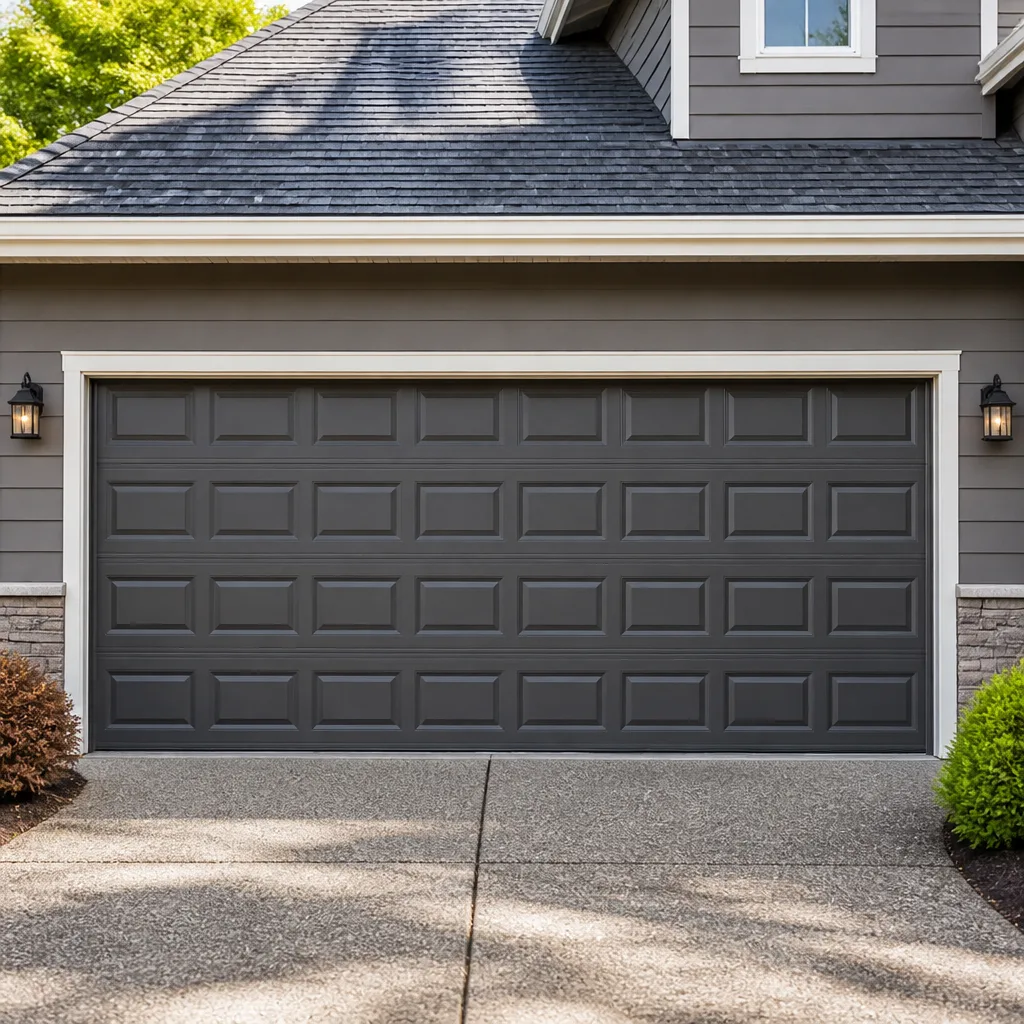 Raised-panel steel
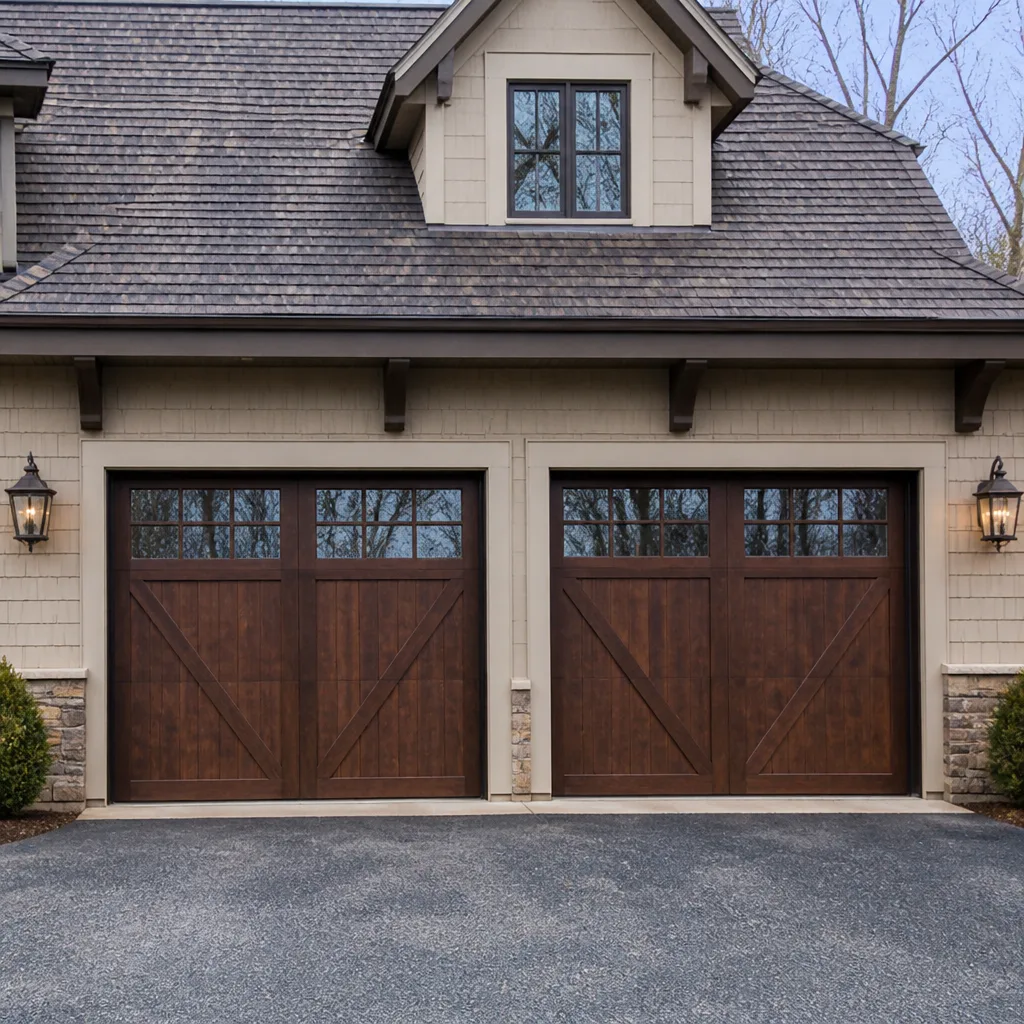 Carriage house
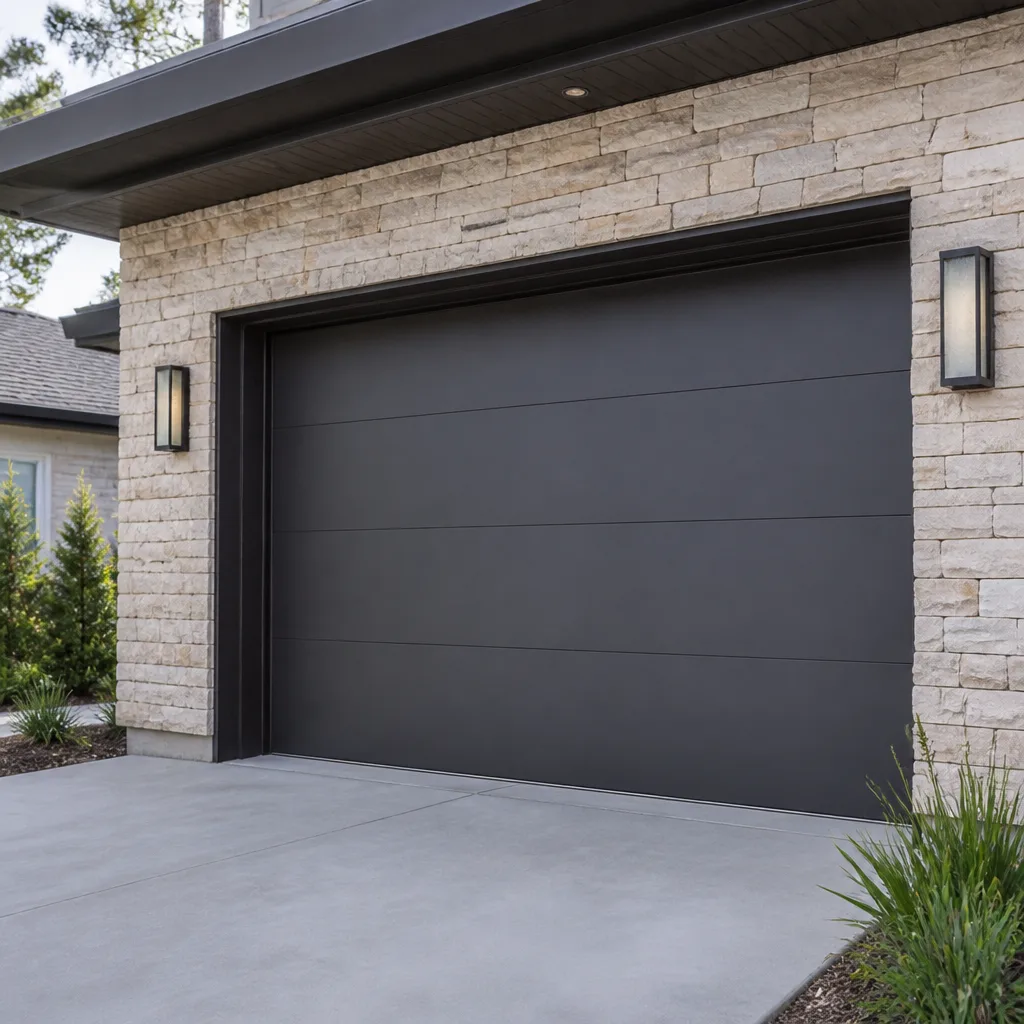 Modern flush
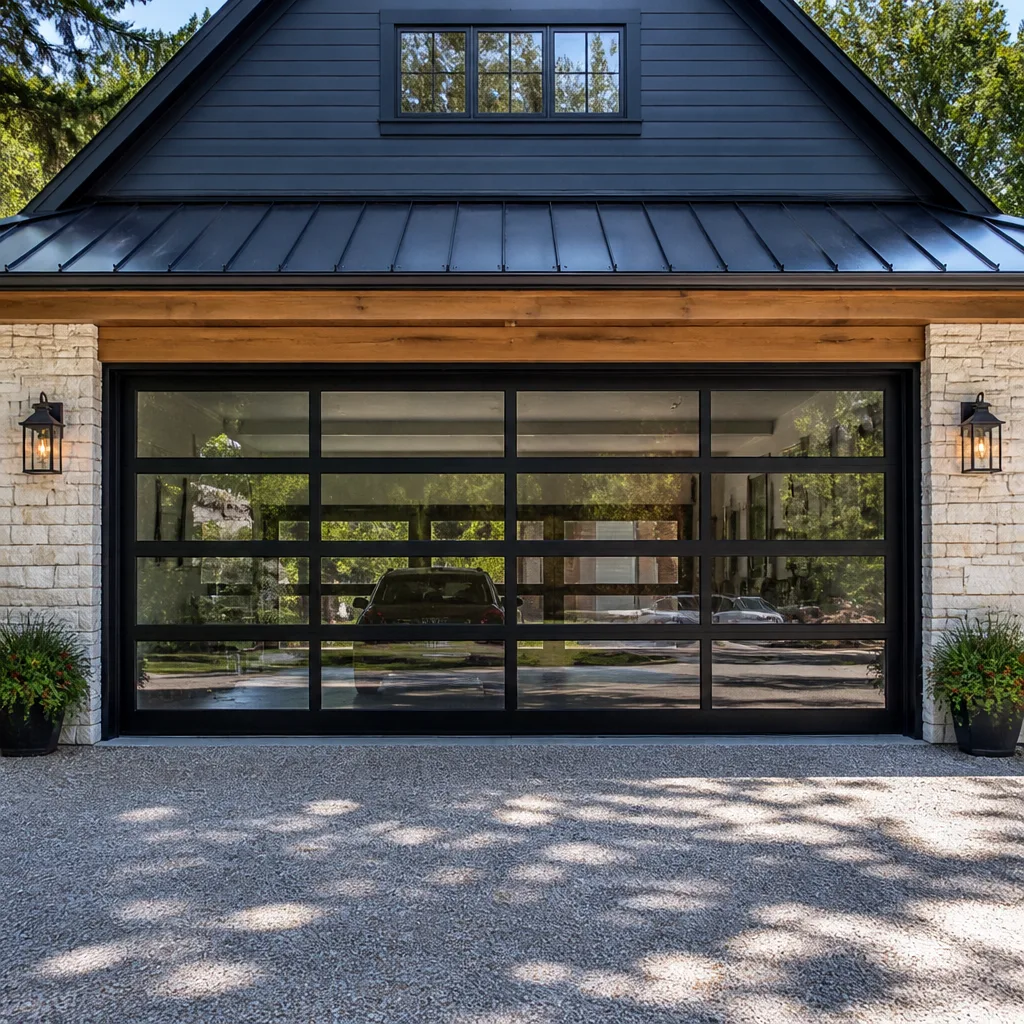 Full-view glass
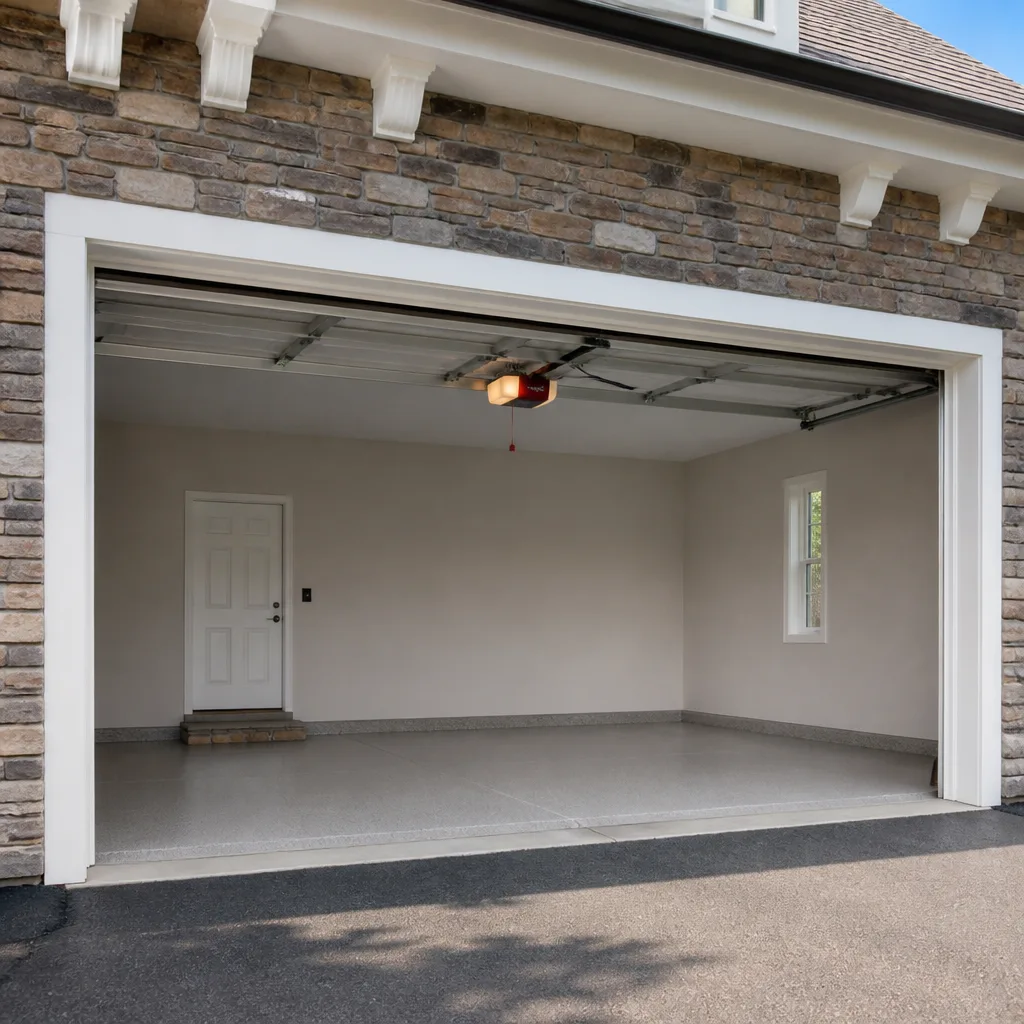 LiftMaster openers
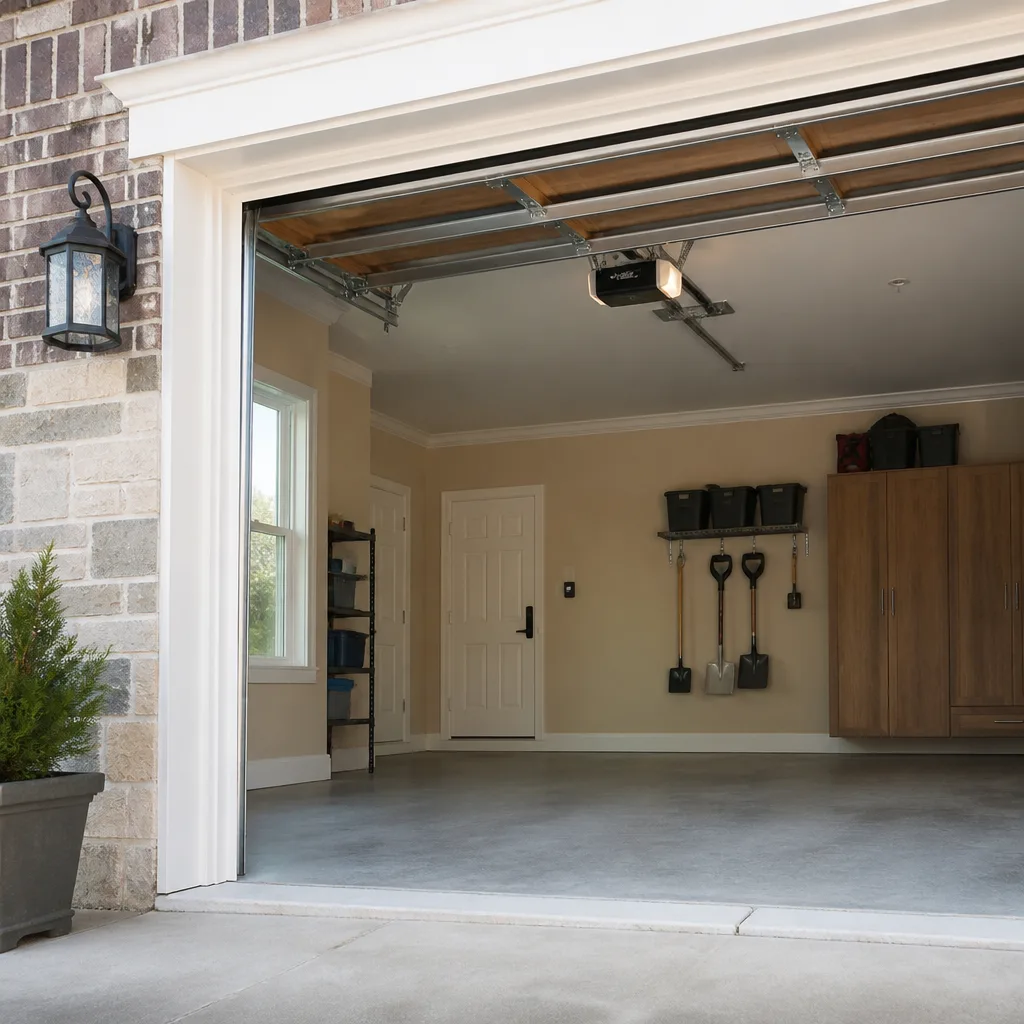 Chamberlain openers
Full 25-point door and opener safety check with every visit - springs, cables, rollers, tracks, and your LiftMaster or Chamberlain opener included
You get a price before we start. It does not change when the pro arrives.
Get your free estimateGarage Door Emergency Preparedness Guide for New Bedford Homes
Most garage door emergencies don’t begin with a broken spring. They begin with a power outage, a nor’easter, or a door that stopped halfway down and stayed there. Here’s the part that catches New Bedford homeowners off guard: a garage door opener that won’t respond isn’t the same as a door that’s stuck, and treating the two as the same thing is how small problems turn into expensive ones. During a storm, a door that’s left unlatched can be pushed in by wind, and an opener with no manual release training can keep your car inside. This guide covers what to do before, during, and after a garage door failure so you’re not figuring it out in the rain. You’ll learn manual release operation, storm prep specific to New Bedford’s coastal weather, and how to talk to a technician so the right parts show up the first time.
Quick Answer
Garage door emergency preparedness in New Bedford means three things: knowing how to manually release your opener, building a small pre-storm checklist for your door and hardware, and knowing the signs that a spring or cable is unsafe to operate. Most opener brands, including LiftMaster and Chamberlain, use a pull-cord release on the trolley – learn where it is before you need it. When a door is damaged or won’t move safely, stop operating it and call (855) 360-9057. We answer 24/7. Fast dispatch from 7am to 7pm, Sunday through Friday.
Styles & brands we work with
- Raised-panel steel
- Carriage house
- Modern flush
- Full-view glass
- LiftMaster openers
- Chamberlain openers
Table of Contents
- How do you manually release a garage door opener?
- What happens to your garage door during a power outage?
- What to do after a nor’easter affects your door
- Pre-storm preparation checklist for New Bedford homes
- How to safely operate a door with damaged springs or cables
- What to tell a technician when you call
- Repair or replace after storm damage?
How Do You Manually Release a Garage Door Opener?
You manually release a garage door opener by pulling the release cord that hangs from the trolley assembly, which disconnects the door from the opener drive so you can lift it by hand. The cord is almost always a red handle on a short rope near the top rail. On most LiftMaster, Chamberlain, and Genie units sold in New Bedford, it hangs at a height you can reach from the floor – unless a previous owner shortened it or buried it behind stored items.
Here’s how the release works, in order:
- Make sure the door is fully closed before you pull the cord. Releasing a door that’s halfway up puts the full weight on the reverse side of the springs and can drop it.
- Locate the release cord on the trolley. On belt and chain drive openers it’s a red handle; on some Genie screw-drive models it’s a pry bar style release.
- Pull straight down and toward the door until you feel it disengage. You’ll hear a click.
- Lift the door by hand. It should move smoothly and stay roughly where you leave it. If it drops hard or is very heavy, the springs are not doing their job – see the section on damaged springs below.
- Reconnect by pulling the cord again while moving the door toward the opener until the trolley re-engages. On most brands the door will re-engage automatically once the opener runs and catches the trolley.
Two things go wrong regularly. First, the cord is jammed behind shelving or a bike rack, so the pull isn’t clean. Clear that space now, before you need it. Second, some openers have a lockout feature that will confuse the door if you reconnect while the opener is mid-cycle – always let the opener finish a cycle before you pull the release. If you can’t find the release on your unit, look at the owner’s manual for your model. If the manual is long gone, we work on the brands already in most New Bedford driveways and can walk you through it by phone.
What Happens to Your Garage Door During a Power Outage?
During a power outage your garage door opener stops working, but your door itself still moves by hand once you pull the release – the door is mechanical, not electric. If your car is inside and the power fails, you can still get it out. This is the single most useful thing to know about garage door preparedness, and it’s the thing most homeowners learn during their first storm.
Older openers have no battery backup and no way to operate except by release. Newer LiftMaster and Chamberlain units often include a battery backup that will cycle the door a limited number of times – usually enough to get a car in or out. Check whether your unit has one; if it does, the backup battery needs to be healthy for it to work, and a battery that’s been sitting for years may be flat when the power goes.
If your opener has a keypad or a wireless outside keypad, those stop working in an outage too. The release cord is the only way in from inside, and the only way out from inside. That means:
- Clear the path to the release cord. Don’t stack storage in front of it.
- Know whether your opener has battery backup, and test it during a quiet week, not during a storm.
- Keep a small flashlight in the car or on a shelf near the door – you’ll be doing this in the dark.
- Don’t force a door that won’t lift. If it feels very heavy or the panel barely moves, stop and call.
One more thing worth knowing: an outage doesn’t damage a garage door. The damage happens afterward, when a released door is left hanging open overnight in the wind or when someone tries to close it by hand and it comes down uneven. If you’re in New Bedford and can’t get the door to re-engage after an outage, that’s a job for a specialist rather than a guess – garage door repair in New Bedford is what we do, and we can diagnose whether it’s the opener’s travel limits or a hardware issue.
What to Do After a Nor’easter Affects Your Door
After a nor’easter, check three things before you touch the opener: whether the door panel is warped or off its track, whether the bottom seal is sitting correctly, and whether anything is blocking the doorway. Do them in this order. A door that’s only slightly warped may still lift, but forcing it puts strain on the springs and can snap a cable.
New Bedford sits right on the waterfront with wind exposure that inland towns don’t have to think about. Storm wind drives rain sideways against garage doors, and a door on the windward side of a house can take a real beating. Panels bow. Tracks bend. The bottom seal loses contact and lets water under the door. The damage often isn’t obvious until the door fails to close straight a week later.
Here’s the right order to handle it:
- Look at the door from outside before opening it. Are the panels straight? Are the horizontal lines still parallel? A bowed panel can bind in the track as soon as it moves.
- Check the tracks on both sides. Look for dents, separation from the frame, or a track that’s no longer plumb. A displaced track is a stop-and-call situation.
- Inspect the bottom seal. It should touch the floor across the full width. If there’s a gap, water and wind enter, and the opener’s safety sensors may act up.
- Look up at the springs and cables. Broken springs are visible as a gap in the coil. Cables should be under tension and intact. Never touch either – see the safety note below.
- Test the opener only after the door moves freely by hand. If it binds, don’t run the opener, because it will just pull harder.
If the door won’t lift smoothly, or a panel is clearly bowed, don’t cycle the opener. A single forced cycle can turn a warped panel into a bent track and a snapped cable. Call (855) 360-9057. We answer 24/7, and our teams are dispatched Sunday through Friday, 7am to 7pm.
Pre-Storm Preparation Checklist for New Bedford Homes
A garage door holds up better in a storm when you’ve checked it in calm weather. The prep is quick – an hour at most – and it’s the difference between a door that rides out a nor’easter and one that needs emergency service afterward. This checklist is written for New Bedford homes with an attached garage, where a storm failure means water and wind inside the house too.
Work through these in order, ideally on a sunny day:
- Test the door balance by hand. Release the opener and lift the door to about waist height. It should stay put with light effort. If it slams down or is hard to lift, the springs are tired and the door is working too hard – schedule a service call before storm season.
- Check the bottom seal. Run your hand along the floor with the door closed. Any daylight or draft means water will get under the door in a sideways rain. A seal is a low-cost fix and it matters more on New Bedford’s storm-exposed sides of the house.
- Look over the mounting hardware. The hinges, rollers, and bracket bolts should be snug. Vibration from normal use loosens them over time, and a loose bracket under wind load can let a panel flex.
- Clear the track. Wipe the inside of the track with a dry cloth. Don’t oil it – the track should stay dry because oil attracts grit and dirt that binds the rollers.
- Test the safety sensors. Close the door and wave your foot under the sensor line at the base of the tracks. The door should reverse. If it doesn’t, the sensors need attention before you trust them in wind-blown debris.
- Protect the opener from water intrusion. Check that the opener head unit and its wiring are dry and the connections are sound. If a previous leak has left rust or corrosion on the terminals, have it assessed.
- Clear the overhead space. Make sure the release cord is reachable and the path around the tracks is clear.
Do this once before storm season and once when a big system is forecast. It takes an hour, and it’s the cheapest garage door work you’ll ever do. If something turns up that you can’t fix, or if the door doesn’t feel right by hand, call (855) 360-9057. Estimates are free and the price is set per job by the written estimate. You’ll know the number before anyone starts.
How to Safely Operate a Door with Damaged Springs or Cables
You don’t safely operate a door with a broken spring or snapped cable. Stop, keep everyone back, and call a professional. This is the one place in garage door work where a DIY fix can cause serious injury. The springs and cables on a residential door are under high tension, and they store enough energy to cause severe harm if they release unexpectedly.
Here’s what’s actually happening when a spring or cable fails. The door on a typical garage weighs well over a hundred pounds. The springs are what make it feel like twenty pounds. When a spring breaks, the door has no counterbalance and will come down with its full weight. If a cable snaps, the door can drop on one side and twist in the track. Neither is a situation to test with your hands.
What you can safely do:
- Look, don’t touch. Broken springs show as a clear gap in the coil. Snapped cables hang loose. You can see both from the floor.
- Don’t force the door by hand. If you must move it, only with the correct technique of keeping weight off the door until the repair is done – but if it’s heavy, leave it closed.
- Don’t run the opener. An opener that runs a door with a broken spring will burn out the motor or strip the gear.
- Keep cars in or out, not coming and going. Don’t cycle the door; park decisively until the repair is made.
- Call. A trained technician has the tools to release spring tension safely before any work begins. This is not a job for a homeowner and not one for a general handyman.
The same safety rule applies to cables. Cables sit under constant tension and are only safe to handle after the tension is removed by a trained tech. Never try to adjust, tighten, or reattach a cable yourself.
If your opener is what failed and not the springs, that’s often a repair rather than a door issue, and we can handle the opener repair in New Bedford separately from the door hardware because we work the whole system together. One call covers both.
What to Tell a Technician When You Call
When you call about a garage door emergency in New Bedford, the technician needs five pieces of information to show up prepared: what the door is doing, what your door and opener brands are, how the door feels by hand, whether you can see damage, and how you’ll get in and out of the garage in the meantime. Have those ready and the first visit usually solves the problem.
More specifically, here’s what helps us most:
- Describe the failure, not the cause. “It stopped halfway up and won’t move” tells a technician more than “I think the spring is broken.” Let the diagnosis happen on site.
- Tell us your brands. We’re factory-familiar with the 8 major brands, including LiftMaster, Chamberlain, Genie, Clopay, Amarr, Wayne Dalton, Craftsman, and Raynor. If your opener is a Chamberlain with a battery backup, or a LiftMaster belt-drive, that changes what the technician brings.
- Say what the door feels like. Heavy? Free? One side drops? This alone narrows the diagnosis.
- Note what you can see. Broken spring visible? Cable hanging? Door off the track? A bent panel?
- Say whether the car is inside. If it’s locked in, some calls are more urgent than others, and we plan the visit accordingly.
The fastest path to a correct fix is a five-minute conversation before the visit. We’re not a general handyman service, and we’re not a door-and-opener split-shop either. We work the full system, so the same tech who diagnoses the door knows the opener. One call covers it. Call (855) 360-9057. We answer 24/7, and a call outside dispatch hours is booked into the next opening, Sunday through Friday, 7am to 7pm.
Repair or Replace After Storm Damage?
Repair is usually the right answer, and the deciding factor is the condition of the door panel, track, and hardware – not the opener. A door with one dented panel, a bent track, and healthy springs can be repaired. A door with multiple bowed panels, twisted framing, and tired springs is a replacement conversation. We lead with repair and won’t push a new door unless the old one won’t perform reliably after the fix.
After a storm, the most common outcomes are:
- Bent track, healthy door: repair. Tracks can often be straightened or replaced on their own.
- Warped panel: repair if it’s one panel and the model is still made. A Clopay or Amarr panel in good condition elsewhere often matches.
- Broken spring or cable: repair, always, but a full hardware inspection is worthwhile since storm-affected doors often have more than one issue.
- Opener got wet: repair or replace depending on corrosion, but this is a separate decision from the door.
- Multiple panels damaged, door off the tracks repeatedly: replacement is the honest answer, even though it costs more.
Because we do both repair and installation, the recommendation doesn’t come with a financial stake for us in one direction or the other. That matters after a storm, when a homeowner is being quoted and can’t easily compare. We give the repair-first recommendation when repair makes sense, and we talk replacement only when the door genuinely won’t hold up. If you’re weighing a new door, the installation page goes deeper into what a replacement involves.
For a New Bedford homeowner after a storm, the sequence should be: assessment first, estimate next, and no work starts until the price is quoted and agreed. Nobody should be handing you a number after starting the job.
Common Mistakes to Avoid
- Pulling the release cord mid-cycle. If you release a door while the opener is running, the trolley can drop or the door can slip. Always let the cycle finish.
- Forcing a warped door after a storm. A storm-bent panel may still walk up partway and then bind. That bind is your sign to stop – a forced lift usually turns a bent panel into a bent track.
- Assuming the opener is the problem. Half of what feels like an opener failure is actually a door hardware issue – a binding roller, a tired spring, or a sensor that’s drifted out of alignment. Diagnosis should look at both, not just one.
- Ignoring the bottom seal before storm season. On New Bedford’s storm-exposed doors, a seal gap lets in water that rusts hardware and gets into the opener. It’s a cheap fix that prevents expensive ones.
- Trying to adjust the springs yourself. This is a homeowner injury waiting to happen. Springs store enough energy to cause serious harm. Leave them alone.
- Calling a handyman who “does garages too.” A general handyman may get a door moving but won’t necessarily know how to set the tension correctly, which is what keeps the door safe afterward. Garage doors are their own trade.
- Not knowing where the release cord is before an outage. This guide’s opening line is real: many New Bedford homeowners learn where their release cord is for the first time in a dark garage during a blackout. Find it now.
See the difference
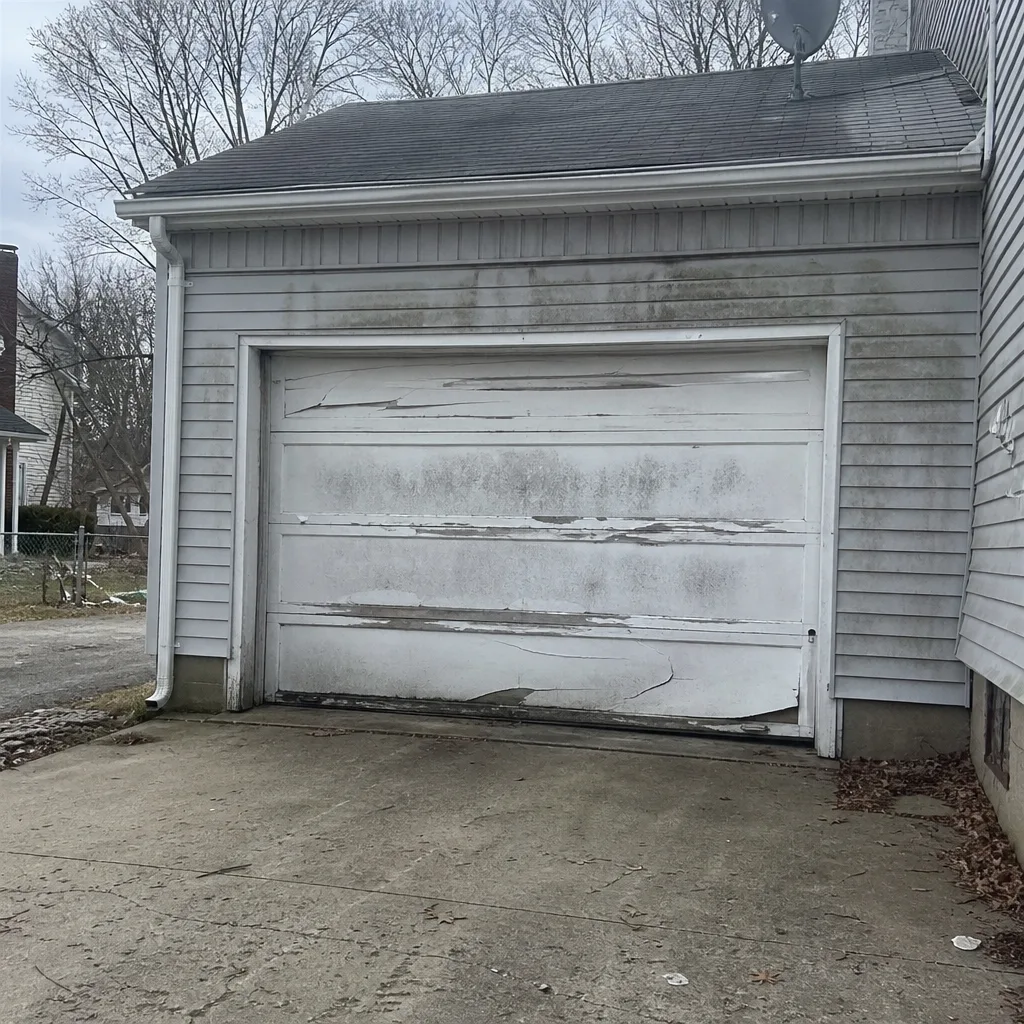 Before
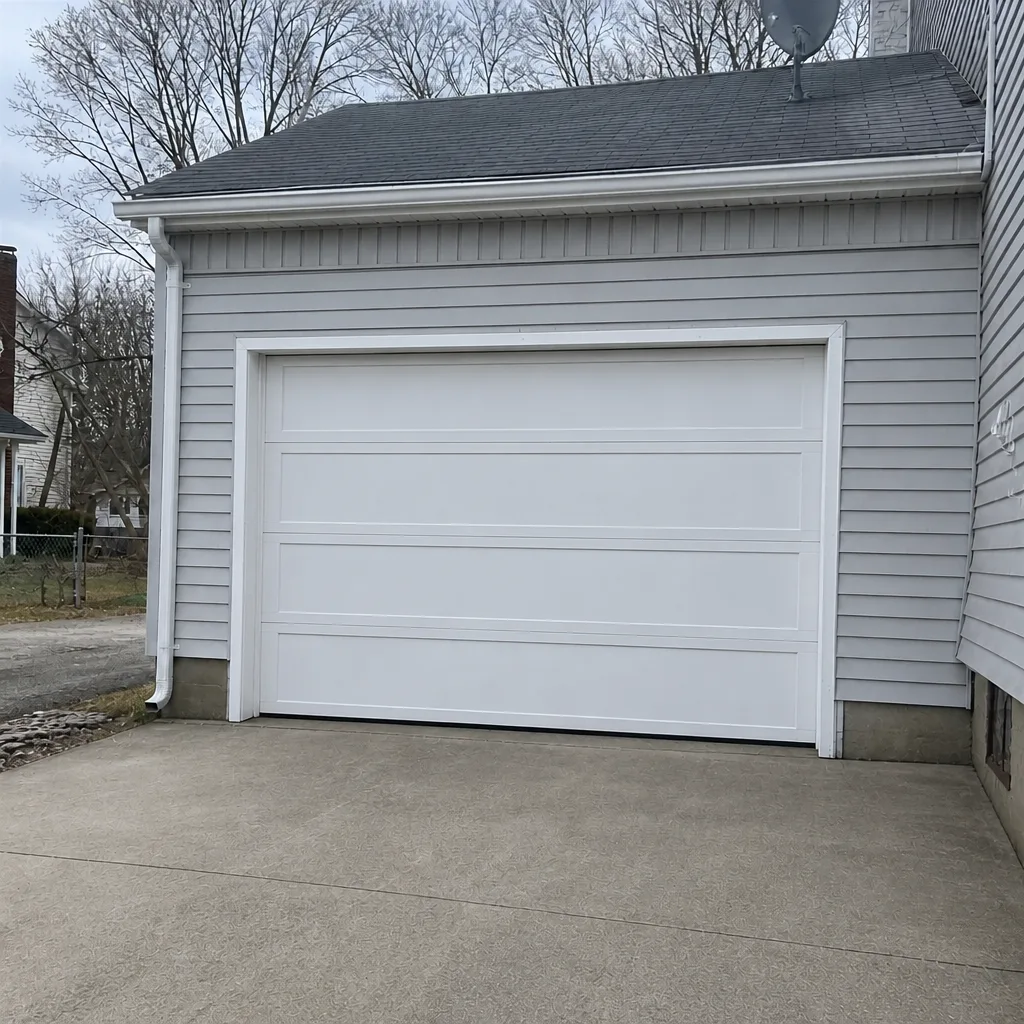 After
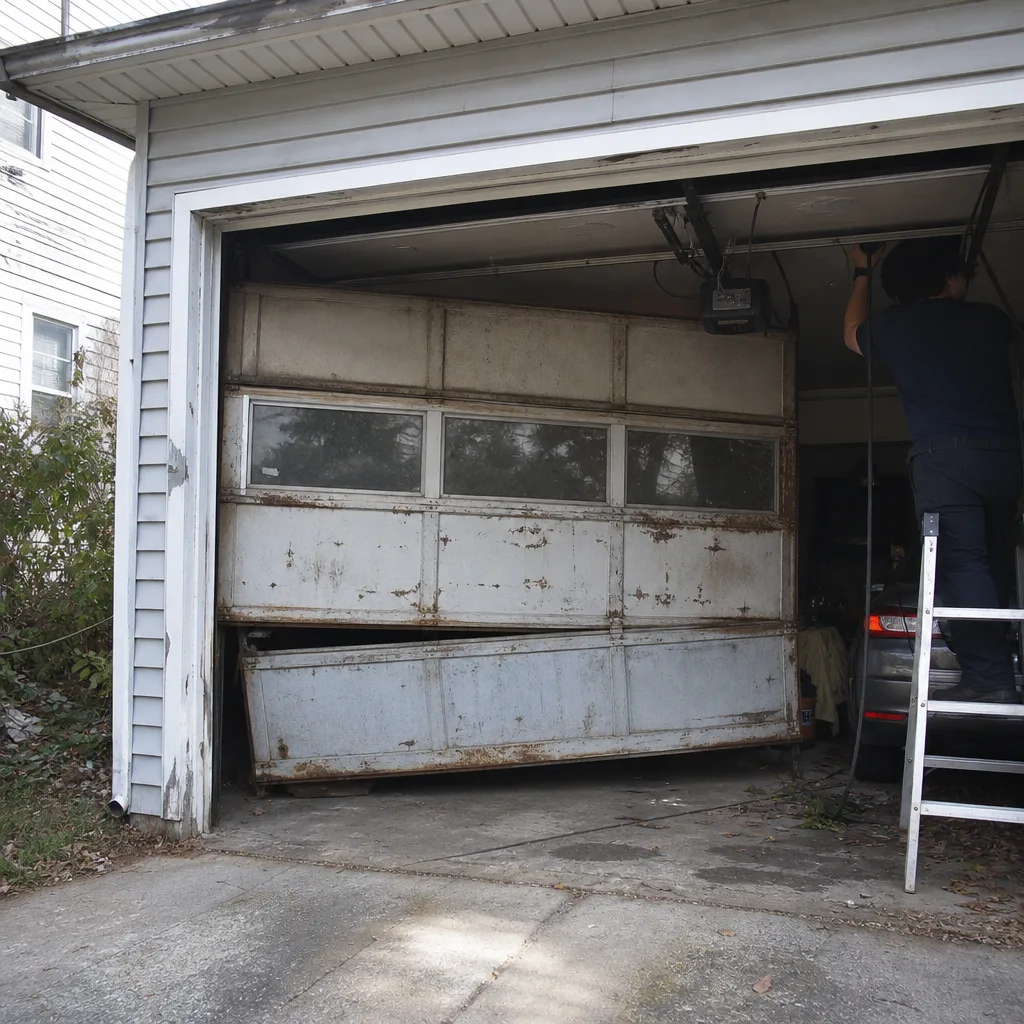 Before
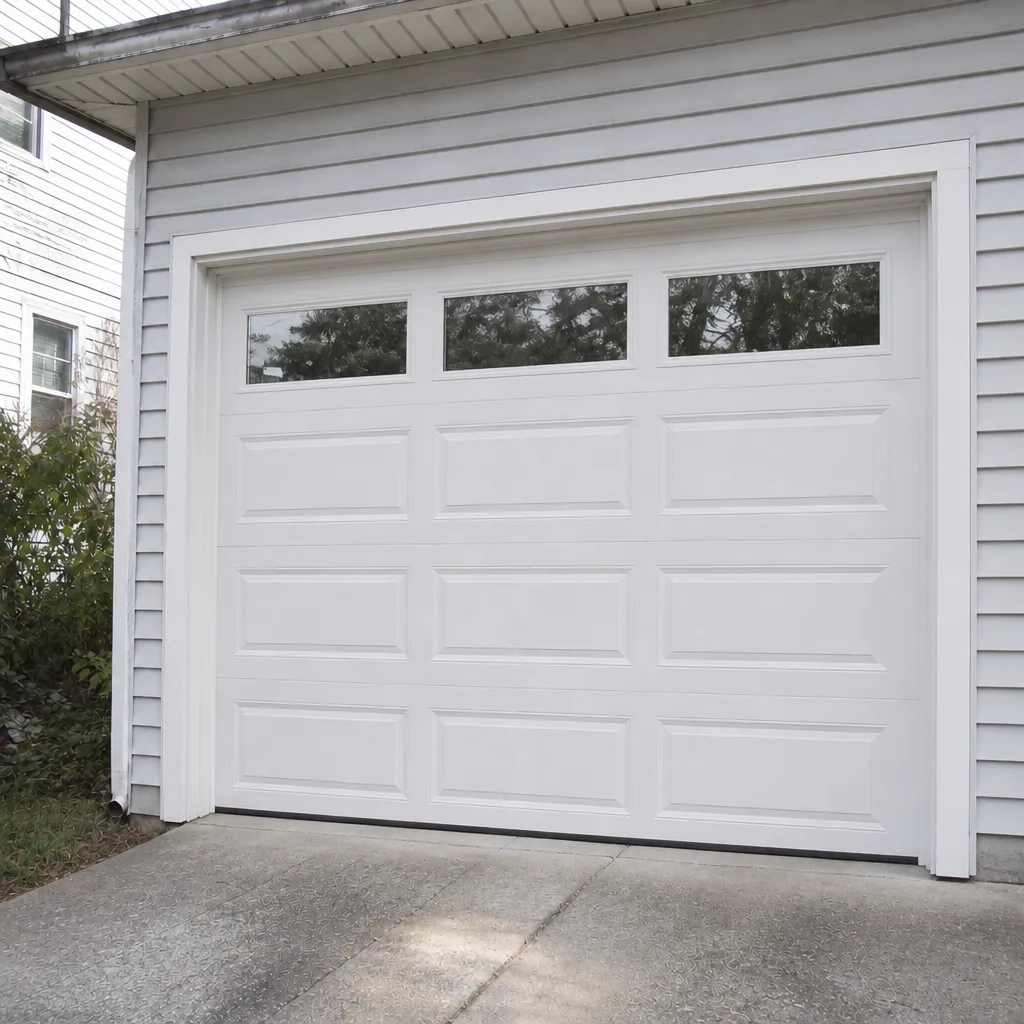 After
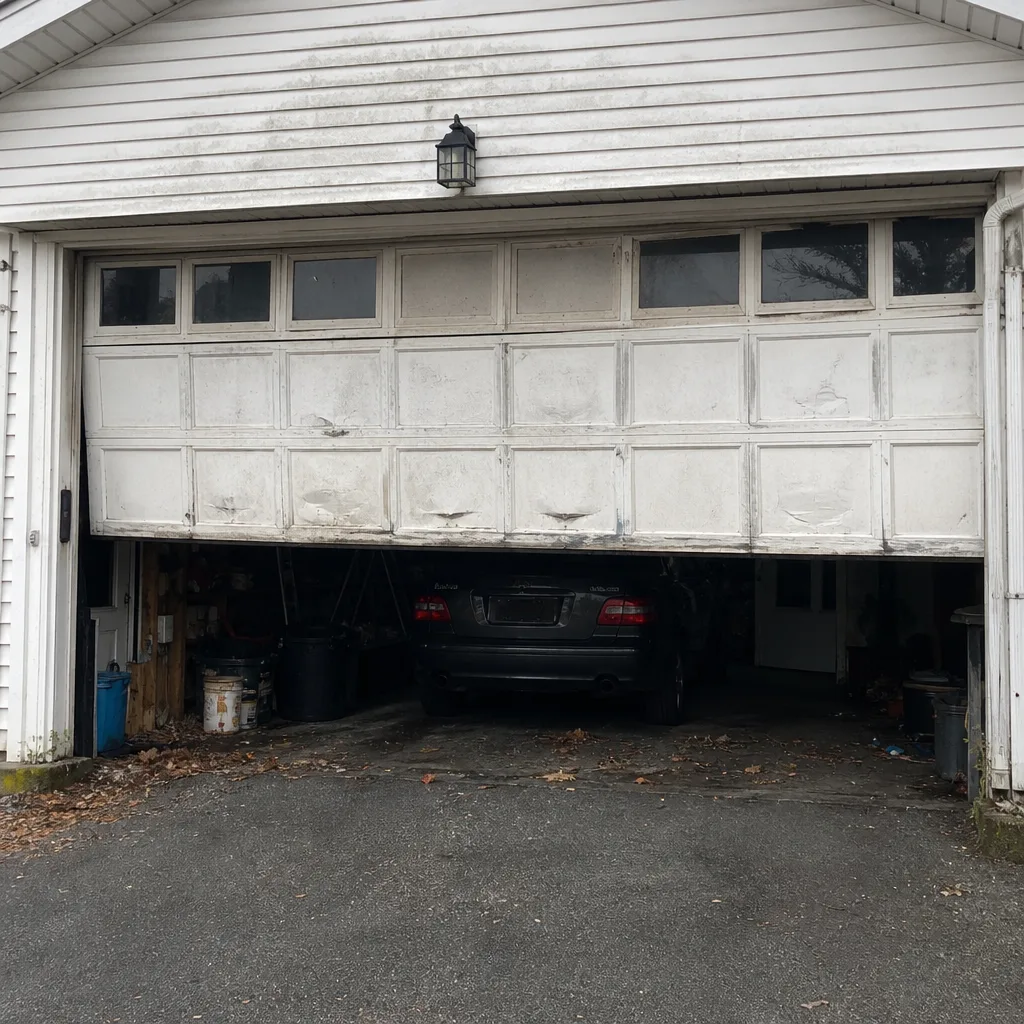 Before
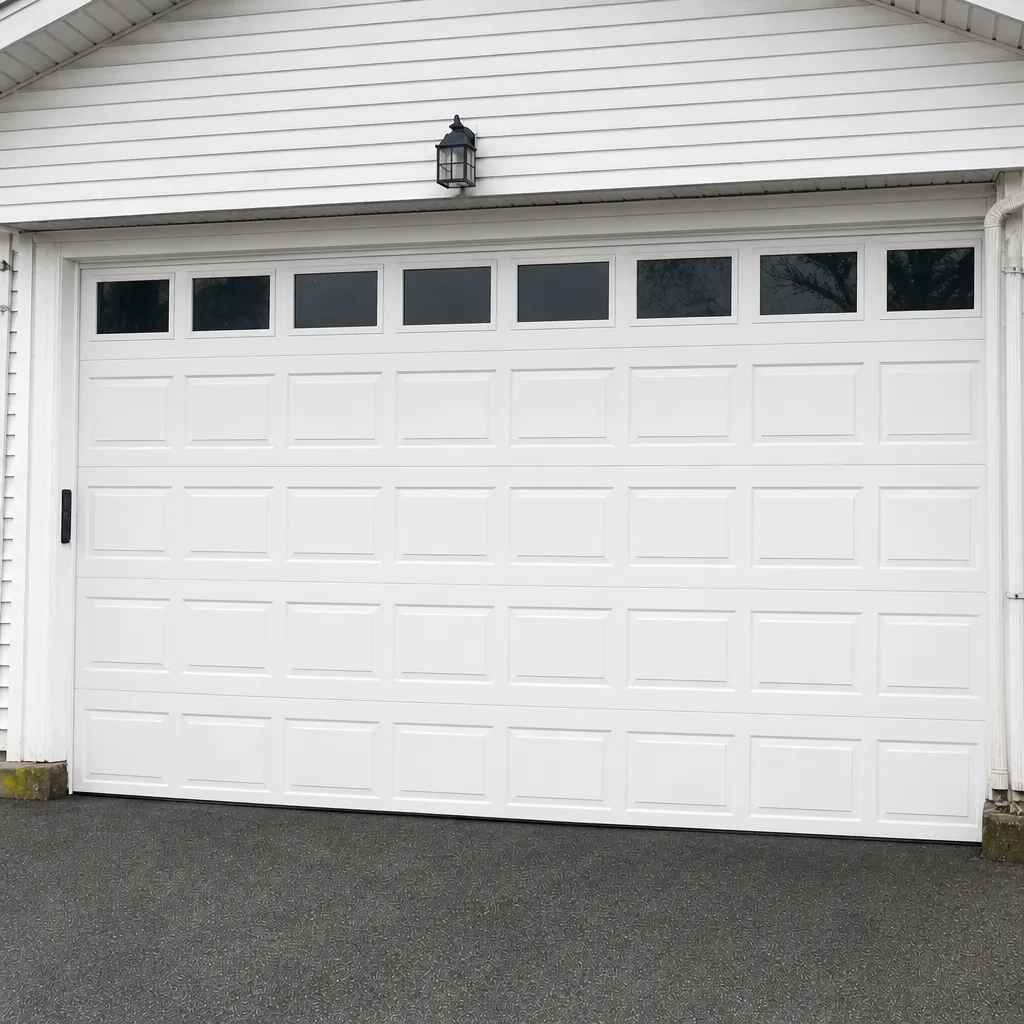 After
When to Call a Professional
Call a professional when the door won’t move by hand, when you can see a broken spring or snapped cable, when the door is off its track or twisted, or when the opener runs but the door doesn’t move. Call when you’ve done the pre-storm checklist and something doesn’t look right, or when the door is heavier than it used to be. Those are signs that need a trained eye before something fails further. Don’t call for a door that simply needs a seal replaced or a sensor that needs realignment – those are quick fixes on a scheduled visit, not emergencies. But when the door is a safety question, call. Glacier Garage Door Repair offers free estimates in New Bedford – call (855) 360-9057. We answer 24/7, and teams are dispatched Sunday through Friday, from 7am to 7pm.
Frequently Asked Questions
Pull the release cord on the trolley to disconnect the opener, then lift the door by hand. On most LiftMaster, Chamberlain, and Genie openers, the release is a red handle on a cord hanging from the top rail. Test that it’s reachable before a storm. If the door is very heavy or won’t lift smoothly, the springs may need attention – call (855) 360-9057 for an estimate.
Check the door from outside before opening it: look at whether the panels are still straight, whether the tracks are plumb, and whether the bottom seal touches the floor. If a panel is bowed or a track is bent, don’t run the opener. Call (855) 360-9057. We answer 24/7, and dispatch runs Sunday through Friday, 7am to 7pm.
In most cases, yes. A broken spring is one of the most common repair calls in New Bedford, and the parts for the brands already in most driveways are what our technicians work with every day. Call (855) 360-9057 for an estimate. The price is quoted and agreed before any work starts, and estimates are free.
Only if the door moves freely by hand and you can see no damage to the springs, cables, tracks, or panels. If any of those are compromised, stop operating the door and keep everyone back. Springs and cables are under high tension and can cause serious injury. Call (855) 360-9057 and we’ll assess before anyone touches the door.
Test the door balance by hand, check the bottom seal, tighten loose mounting hardware, clear the tracks, test the safety sensors, and make sure the release cord is reachable. Do this before storm season and again when a big system is forecast. If anything looks off, call (855) 360-9057 for a free estimate.
No. The written quote sets the price, and it’s agreed before any work starts. If we find something additional during the assessment, we’ll talk to you before doing anything, and the estimate is free. Call (855) 360-9057 to schedule. We answer 24/7, with fast dispatch from 7am to 7pm, Sunday through Friday.
The Bottom Line
The garage door part of storm preparedness is smaller than it sounds. Know where the release cord is, keep the path to it clear, check the bottom seal and the tracks before storm season, and don’t force a door that’s damaged. Do those four things and you’ve handled 80% of what New Bedford weather throws at a garage. The other 20% is knowing when to stop and call. A heavy door, a broken spring, a bent track, or an opener that won’t behave is a job for a specialist – and it’s one we take seriously. Both door and opener, one diagnosis, one call. Glacier Garage Door Repair works on the brands already in your garage, and we’re available when the weather turns. Call (855) 360-9057 for a free estimate. We answer 24/7, and dispatch runs from 7am to 7pm, Sunday through Friday.
Written by the team at Glacier Garage Door Repair.